
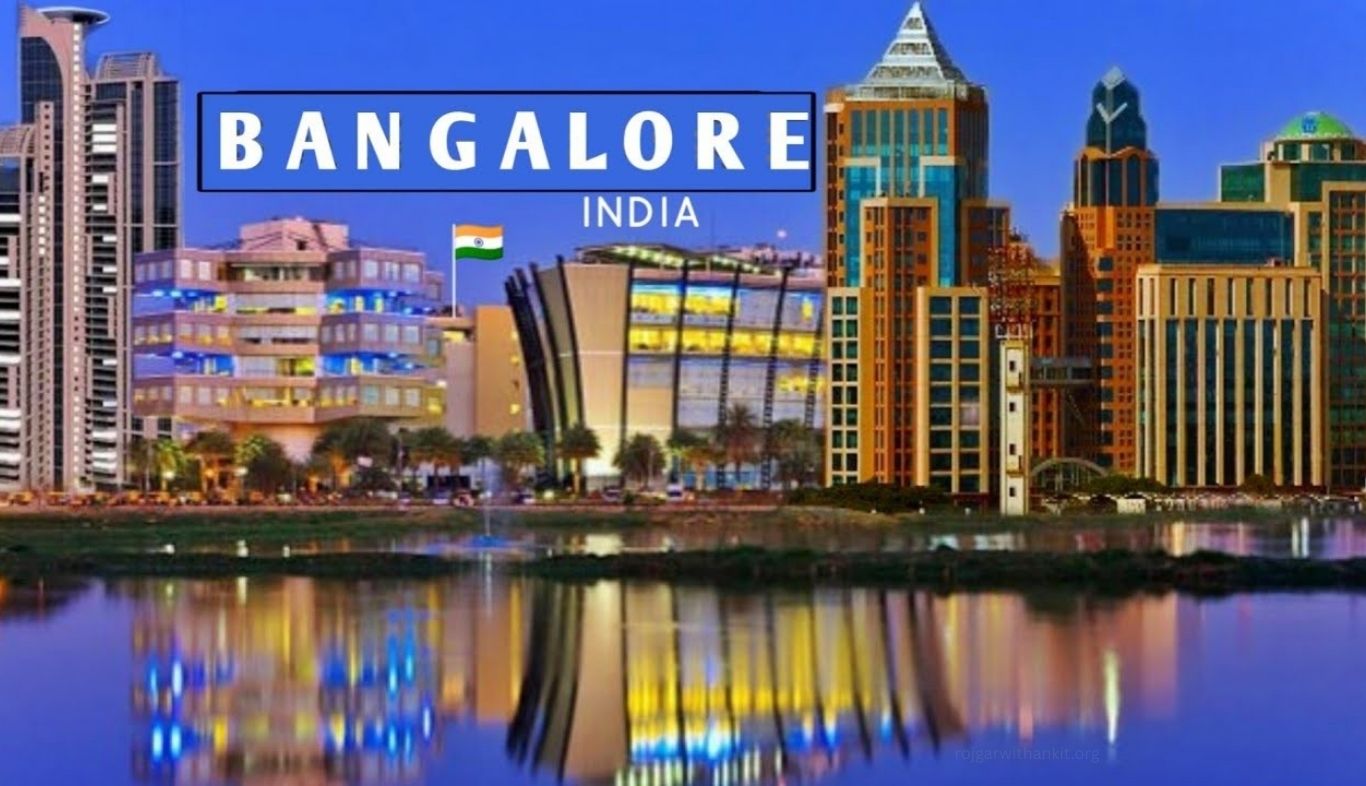
India is home to one of the fastest-growing technology ecosystems in the world, and at its heart lies Bangalore, famously known as the “Silicon Valley of India.” With its thriving IT industry, startup culture, and skilled workforce, Bangalore has emerged as a global hub for technology and innovation. In this article, we will explore why Bangalore earned this title, its economic significance, key industries, lifestyle, challenges, and the future prospects of the city.
What Makes Bangalore the Silicon Valley of India?
Bangalore’s transformation into the “Silicon Valley of India” is not accidental. The city has several unique characteristics that make it the ideal destination for technology companies, investors, and skilled professionals.
Strategic Location and Climate
Bangalore, officially known as Bengaluru, is located in the southern part of India in the state of Karnataka. The city enjoys a moderate climate throughout the year, which makes it attractive for living and working. Unlike other metropolitan cities in India, Bangalore’s weather has been conducive for businesses, especially in the IT sector, where long working hours are common.
Availability of Skilled Workforce
One of the main reasons behind Bangalore’s emergence as India’s tech hub is its highly educated and skilled workforce. The city is home to numerous prestigious educational institutions, including the Indian Institute of Science (IISc) and several top engineering colleges. These institutions have been instrumental in producing a steady stream of talented engineers, scientists, and IT professionals.
Government Support and Policies
The Indian government and the Karnataka state government have played a pivotal role in promoting Bangalore as a technology hub. Initiatives like Electronic City, Software Technology Parks of India (STPI), and favorable IT policies have encouraged domestic and foreign companies to set up operations in the city.
Thriving Ecosystem for Startups
Bangalore has one of the most vibrant startup ecosystems in India. With over 10,000 startups, the city has earned the nickname “Startup Capital of India.” From fintech to artificial intelligence, entrepreneurs are leveraging Bangalore’s infrastructure, talent pool, and venture capital availability to innovate and scale their businesses.
Historical Evolution of Bangalore as a Tech Hub
Bangalore’s journey from a quiet pensioners’ city to a global technology hub is fascinating. Here’s a timeline of its evolution:
Pre-Independence Era
Before India’s independence in 1947, Bangalore was primarily a center for education and defense research. Institutions like the Indian Institute of Science (IISc) were established in the early 20th century, laying the groundwork for scientific research and innovation.
Post-Independence Industrial Growth
During the 1950s and 1960s, Bangalore saw the establishment of public sector undertakings like Hindustan Aeronautics Limited (HAL) and Bharat Electronics Limited (BEL). These organizations attracted skilled engineers and created a culture of technological excellence.
IT Boom in the 1990s
The 1990s marked the turning point for Bangalore. Liberalization of the Indian economy and policies encouraging IT exports led to the growth of companies like Infosys and Wipro. Soon, multinational corporations (MNCs) like IBM, Microsoft, and Google set up offices, solidifying Bangalore’s position as a tech capital.
Modern-Day Tech Powerhouse
Today, Bangalore is not just the IT capital of India but also a global leader in emerging technologies such as AI, IoT, blockchain, and biotechnology. The city continues to attract global talent and investment.
Key Industries in Bangalore
Bangalore is known for its diverse economic landscape. While IT remains the dominant sector, several other industries contribute to its growth.
Information Technology (IT) and Software
IT services and software development are the backbone of Bangalore’s economy. Major companies like Infosys, Wipro, TCS, and Accenture have large offices here. Additionally, global tech giants such as Google, Amazon, Microsoft, and Intel have set up research and development centers, fostering innovation and employment.
Biotechnology and Life Sciences
Bangalore has earned the reputation of being the “Biotech Hub of India.” Institutions like Biocon and National Centre for Biological Sciences (NCBS) have driven research and commercial applications in biotechnology, pharmaceuticals, and healthcare.
Aerospace and Defense
Bangalore hosts key aerospace and defense organizations, including HAL, ISRO, and DRDO. This has positioned the city as a center for cutting-edge research in space and defense technology.
Startups and Entrepreneurship
With incubators, accelerators, and venture capital funding readily available, Bangalore’s startup ecosystem is booming. Sectors like fintech, edtech, healthtech, and artificial intelligence are seeing rapid innovation.
Why Companies Choose Bangalore
Bangalore attracts both domestic and international companies due to several factors:
- Access to Talent: A steady supply of engineers, coders, and researchers.
- Cost Advantage: Competitive operational costs compared to global tech hubs like Silicon Valley (USA).
- Infrastructure: IT parks, co-working spaces, and advanced communication networks.
- Innovation Culture: Collaboration between startups, universities, and MNCs.
Lifestyle in Bangalore
Bangalore is not just a hub for technology; it is also one of India’s most cosmopolitan cities. Here’s a glimpse of life in the city:
Cosmopolitan Culture
Bangalore is home to people from all over India, creating a diverse cultural environment. This diversity fosters creativity and makes the city appealing to global talent.
Education and Research
Apart from IT, Bangalore is a center for higher education and research, offering top-quality schools, colleges, and universities.
Entertainment and Recreation
The city offers a vibrant nightlife, fine dining, shopping hubs, and green spaces such as Cubbon Park and Lalbagh Botanical Garden.
Connectivity
Bangalore is well-connected via road, rail, and air. The Kempegowda International Airport links the city to global destinations, making business travel convenient.
Challenges Faced by Bangalore
Despite its success, Bangalore faces several challenges that need attention:
Traffic Congestion
Rapid urbanization has led to traffic snarls and longer commute times. The city’s infrastructure struggles to keep up with the growing population.
Rising Cost of Living
The influx of tech professionals has pushed up housing and rental costs, making living expenses a concern for residents.
Water Scarcity
Bangalore faces water supply issues, as demand exceeds the available resources in certain areas.
Environmental Concerns
Urbanization has led to deforestation, loss of green cover, and air pollution, posing sustainability challenges.
The Future of Bangalore: Sustaining Growth and Innovation
Bangalore continues to evolve as a global technology hub. The city is investing in:
- Smart City Initiatives: Improving urban infrastructure and connectivity.
- Green Technology: Promoting renewable energy and sustainable practices.
- AI and Emerging Technologies: Establishing research centers for artificial intelligence, robotics, and space tech.
- Global Collaborations: Encouraging foreign investment and partnerships to stay competitive.
Bangalore’s future lies in balancing growth with sustainability, ensuring that it remains India’s Silicon Valley for decades to come.
Frequently Asked Questions
Why is Bangalore called the Silicon Valley of India?
Bangalore is called the Silicon Valley of India due to its thriving IT industry, technology companies, and startup ecosystem, similar to Silicon Valley in the USA. The city is home to major IT firms, global tech giants, and thousands of startups.
What are the major IT companies in Bangalore?
Some of the major IT companies in Bangalore include Infosys, Wipro, TCS, IBM, Microsoft, Google, and Accenture. The city also hosts many innovative startups in sectors like fintech, AI, and healthtech.
How did Bangalore become a technology hub?
Bangalore became a technology hub due to a combination of skilled workforce, government support, IT policies, and educational institutions like the Indian Institute of Science (IISc). The IT boom in the 1990s further accelerated its growth.
What industries are prominent in Bangalore besides IT?
Apart from IT, Bangalore is known for biotechnology, aerospace, defense, research, and startups. It is also referred to as the Biotech Hub of India.
Is Bangalore good for startups?
Yes, Bangalore is one of the best cities for startups in India. With over 10,000 startups, incubators, venture capital funding, and a strong talent pool, the city provides a supportive environment for entrepreneurs.
Conclusion
Bangalore, the Silicon Valley of India, stands as a testament to India’s rapid technological advancement. With its thriving IT ecosystem, vibrant startup culture, skilled workforce, and cosmopolitan lifestyle, the city continues to attract businesses, investors, and talent from around the world. While it faces challenges like traffic congestion, rising costs, and environmental concerns, its innovation-driven growth ensures that Bangalore will remain a global hub for technology and entrepreneurship.For anyone looking to understand the pulse of India’s technology and innovation, Bangalore is the place to watch. Its journey from a peaceful pensioners’ city to a global tech powerhouse is nothing short of inspiring.