
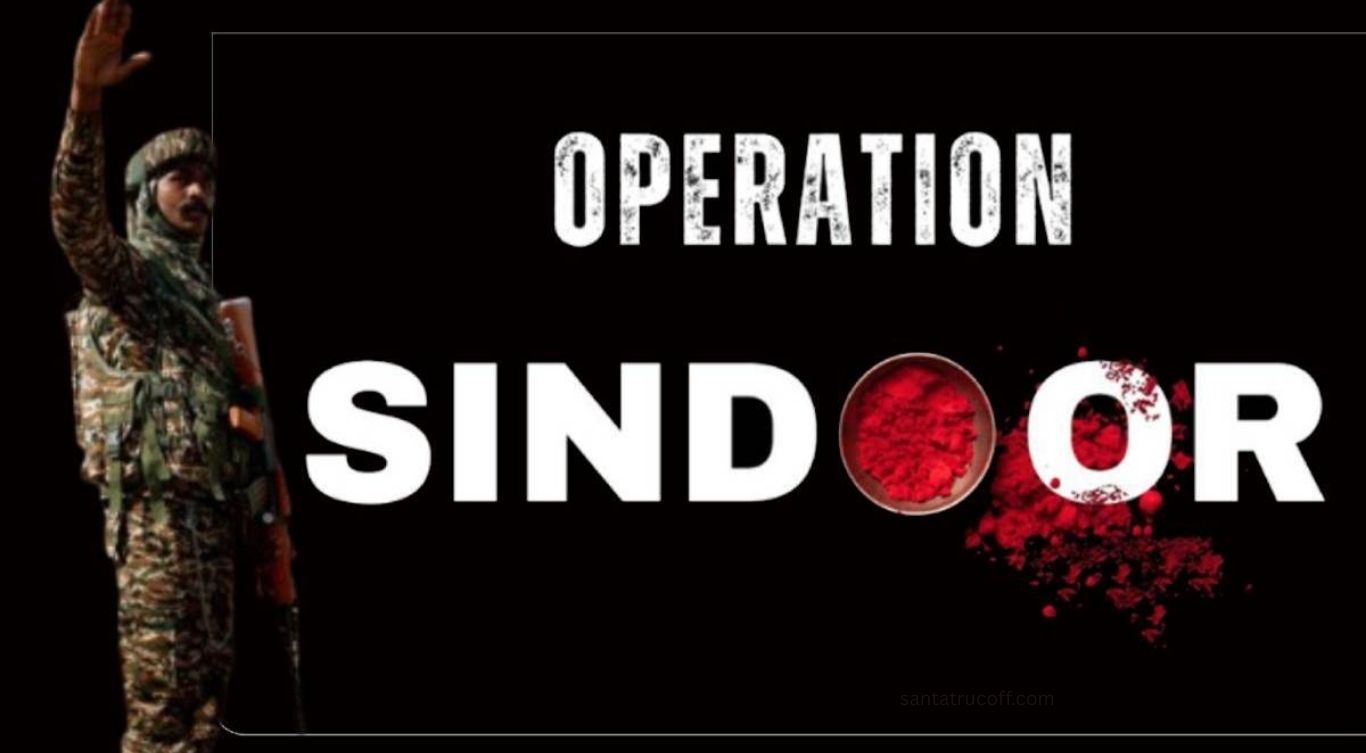
On 7 May 2025, India launched a high-stakes military campaign codenamed Operation Sindoor, conducting precise strikes on multiple terror-related targets in Pakistan and Pakistan-Occupied Kashmir (PoK). This operation was a response to the Pahalgam terror attack on 22 April 2025, which claimed the lives of civilians, including married couples. Operation Sindoor was notable for its combination of strategic precision, emotional symbolism, and measured restraint. This article explores the operation’s background, execution, and broader implications.
Background: The Pahalgam Attack
The trigger for Operation Sindoor was the Pahalgam terror attack that resulted in the death of 26 civilians, including Hindu pilgrims and newlyweds. Indian authorities traced the attack to Pakistan-based terror groups, primarily Jaish-e-Mohammed (JeM), Lashkar-e-Taiba (LeT), and Hizbul Mujahideen. Facing national outrage and the need for a strategic response, India devised Operation Sindoor to target the infrastructure supporting these terrorist organizations while minimizing collateral damage.
Why “Operation Sindoor”? Symbolism and Cultural Resonance
The choice of the name “Sindoor”, a traditional red pigment applied by married Hindu women, was highly symbolic. Sindoor represents marital status, love, and family unity. By naming the operation after this cultural symbol, India underscored the personal loss caused by the Pahalgam attack, emphasizing that the terrorists had destroyed families and lives.The name also carried a historical martial significance, as red marks and pigments were traditionally used by warriors to symbolize courage and righteousness. This codename linked mourning with resolve, creating a narrative of both remembrance and retribution.
Operational Details: Strategy and Execution
Target Selection
India identified nine terror infrastructure sites across Pakistan and PoK for precision strikes. Key locations included training camps, forward launch pads, and terrorist hideouts. The operation deliberately avoided military installations and civilian areas to focus solely on terrorist networks.
Weaponry and Technology
The operation utilized loitering munitions, which are drones capable of hovering and striking with pinpoint accuracy. These were complemented by advanced targeting systems and real-time intelligence coordination. The Indian Army and Air Force collaborated closely, leveraging integrated command systems to ensure minimal risk and maximum effectiveness.
Timeline of the Operation
The strikes were executed over approximately 25 minutes, beginning in the early hours of the morning. Coordination between air and ground forces ensured that targets were neutralized with precision and minimal collateral impact, according to Indian authorities.
Strategic Implications
Counter-Terror Messaging
Operation Sindoor sent a clear signal to Pakistan-based terror groups: cross-border attacks would be met with swift and precise retaliation. The operation demonstrated that India could neutralize terrorist infrastructure without escalating into full-scale war, thereby reinforcing its deterrence posture.
Operational Impact
The operation reportedly neutralized nearly 100 terrorists, including high-value leaders involved in past attacks. The elimination of senior operatives disrupted the command structure of the groups involved and reduced their operational capabilities.
Domestic and International Messaging
Domestically, the operation bolstered national morale and unified public sentiment around the government’s decisive action. Internationally, India emphasized that the strikes were a legitimate act of self-defense, focusing on terrorism rather than territorial objectives.
Media and Propaganda Challenges
Following the operation, there were attempts by various sources to spread misinformation about the scale and impact of the strikes. Indian authorities actively countered these narratives, clarifying that the operation targeted terrorist infrastructure and that Indian forces suffered no casualties. The operation highlighted the importance of controlling the information environment in modern military conflicts.
Aftermath and Wider Consequences
Military and Diplomatic Impact
Tensions initially surged after the operation, but both nations later agreed to maintain a ceasefire. Operation Sindoor demonstrated India’s ability to execute precise, limited military actions while signaling strategic resolve to the international community.
Cultural and Psychological Impact
The symbolic nature of the operation resonated deeply within Indian society. Families affected by terrorism saw the action as justice for victims, while the narrative strengthened national resolve against terrorism.
Cyber Dimension
The operation also reportedly had a cyber component, with intelligence agencies monitoring and mitigating digital threats. This reflects the modern battlefield’s multi-domain nature, where cyber and kinetic operations intersect.
Assessment of Operation Sindoor
Achievements
- Precision strikes neutralized key terrorist infrastructure.
- Cultural symbolism enhanced the narrative and public engagement.
- Strategic deterrence was strengthened without escalation to full-scale conflict.
Challenges
- Disinformation campaigns complicated the narrative.
- The long-term impact on cross-border terrorism remains uncertain.
- The use of gendered cultural symbolism carries potential risks of politicization.
Future Implications
Operation Sindoor provides lessons in modern counter-terror strategy, combining precise military capability with symbolic messaging. It highlights the growing significance of multi-domain operations, including cyber and information warfare, and demonstrates how cultural narratives can influence public perception and international legitimacy.
Frequently Asked Questions
What is Operation Sindoor?
Operation Sindoor was a military operation conducted by India on 7 May 2025 targeting terrorist infrastructure in Pakistan and Pakistan-Occupied Kashmir (PoK). It was launched in retaliation for the Pahalgam terror attack on 22 April 2025.
Why is it called Operation Sindoor?
The codename “Sindoor” is symbolic. Sindoor is a red powder applied by married Hindu women, representing love, family, and marital status. It reflects the loss suffered by families during the Pahalgam attack and conveys India’s resolve and cultural symbolism.
What triggered Operation Sindoor?
The operation was triggered by the Pahalgam terror attack, which claimed 26 civilian lives. Indian authorities identified Pakistan-based terrorist groups such as Jaish-e-Mohammed (JeM) and Lashkar-e-Taiba (LeT) as responsible for orchestrating the attack.
Which targets were hit during Operation Sindoor?
Operation Sindoor focused on nine terrorist infrastructure sites in Pakistan and PoK. These included training camps, forward launch pads, and hideouts linked to terrorist organizations. Military installations and civilian areas were deliberately avoided.
What weapons and technology were used?
India used loitering munitions, advanced targeting systems, and real-time intelligence coordination. These tools allowed precision strikes with minimal collateral damage. The operation involved close collaboration between the Indian Army and Air Force.
Conclusion
Operation Sindoor was more than a military strike; it was a culturally resonant and strategically calculated response to terrorism. By combining precision, intelligence, and symbolism, India delivered a message of strength, deterrence, and justice. The operation exemplifies how modern states can address complex security threats while navigating political, cultural, and ethical considerations.