
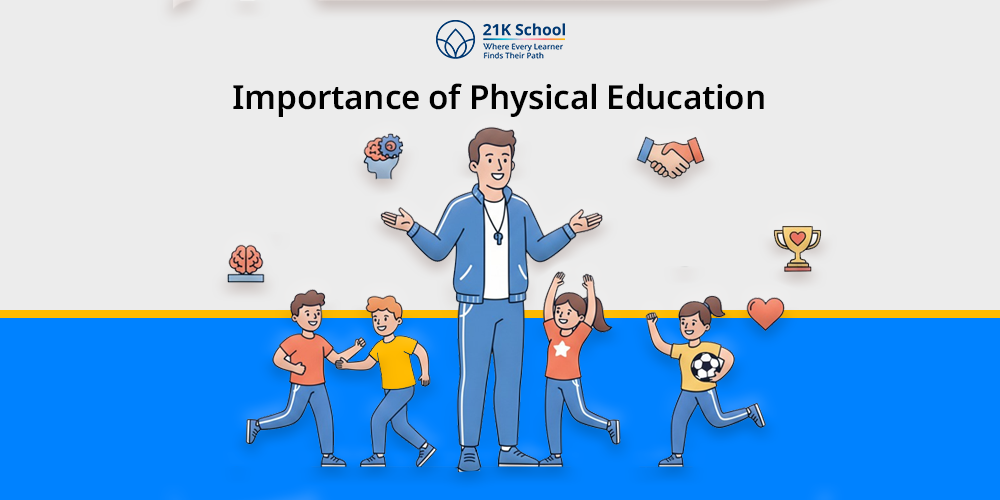
Physical Education is an important subject that contributes to the overall development of students. It focuses on physical fitness, mental well-being, sports participation, and healthy lifestyle habits. In Class 11, Physical Education combines theoretical knowledge with practical training, helping students understand the importance of maintaining a healthy body and mind. The subject encourages students to develop discipline, confidence, teamwork, and leadership skills while improving their physical abilities.
In today’s fast-paced world, where many students spend long hours using digital devices and engaging in sedentary activities, Physical Education plays a crucial role in promoting an active lifestyle. It helps students improve their fitness levels, reduce stress, and develop habits that support lifelong health and wellness.
What is Physical Education?
Physical Education is an educational discipline that promotes physical fitness, sports skills, health awareness, and overall well-being. It involves learning about exercise, sports, anatomy, physiology, nutrition, and psychology while actively participating in physical activities. The subject aims to develop physically fit individuals who understand the value of regular exercise and healthy living.
Importance of Physical Education in Class 11
Physical Education is essential because it supports both physical and mental development. Students who regularly participate in sports and fitness activities often experience better health, improved concentration, and higher energy levels. The subject helps students manage academic pressure by reducing stress and improving emotional balance.
Physical Education also teaches valuable life skills. Through participation in sports and team activities, students learn cooperation, communication, leadership, and discipline. These qualities contribute to personal growth and prepare students for future challenges in education and professional life.
Objectives of Physical Education Class 11
The primary objective of Physical Education is to improve physical fitness and encourage healthy living. The subject helps students understand the importance of exercise, nutrition, and wellness. It also develops sports skills, promotes positive attitudes toward physical activity, and enhances mental and emotional health.
Another important objective is to create awareness about the scientific principles behind human movement and physical performance. Students gain knowledge about how the body functions during exercise and how proper training can improve athletic performance.
Physical Education Class 11 Syllabus
The syllabus of Physical Education Class 11 is designed to provide students with a comprehensive understanding of health, fitness, sports, and human performance. Students learn about changing trends in physical education and explore career opportunities in the sports and fitness industry. They also study the Olympic Movement and its significance in promoting international sports and unity.
Yoga forms an important part of the syllabus and helps students understand the benefits of physical and mental relaxation techniques. The curriculum also includes education related to children with special needs, encouraging awareness and inclusion in sports and physical activities.
Students study concepts of physical fitness, health, and wellness, gaining knowledge about how lifestyle choices affect overall well-being. The syllabus further introduces methods of testing, measurement, and evaluation used in fitness assessments.
Anatomy and physiology are major areas of study that help students understand the structure and functions of the human body. Students learn about muscles, bones, the circulatory system, and the respiratory system. The syllabus also covers kinesiology and biomechanics, explaining how body movements influence sports performance.
Sports psychology is another important topic that explores motivation, personality development, and mental preparation for athletic success. Students also learn about sports training methods and the harmful effects of doping in sports.
Practical Component of Physical Education
The practical aspect of Physical Education is equally important as the theoretical portion. Students participate in various sports, fitness activities, and yoga sessions to develop practical skills and physical fitness. Practical training helps students apply the concepts learned in the classroom to real-life situations.
The practical examination evaluates students based on their performance, fitness levels, sports skills, and understanding of physical activities. Participation in practical sessions improves confidence, teamwork, and overall physical development.
Benefits of Studying Physical Education in Class 11
Studying Physical Education offers numerous benefits. It improves physical fitness by enhancing strength, flexibility, endurance, and coordination. Regular physical activity contributes to better cardiovascular health and reduces the risk of lifestyle-related diseases.
The subject also supports mental health by helping students manage stress and anxiety. Physical exercise stimulates the release of positive hormones that improve mood and emotional well-being. Students often experience better concentration and improved academic performance as a result of regular physical activity.
Physical Education encourages social interaction and helps students develop strong interpersonal skills. Participation in sports teaches teamwork, cooperation, and respect for others. It also builds self-confidence and determination, qualities that are valuable in every aspect of life.
Career Opportunities in Physical Education
Physical Education opens the door to various career opportunities in sports, health, and fitness industries. Students who develop an interest in the subject can pursue careers as Physical Education teachers, sports coaches, fitness trainers, sports psychologists, physiotherapists, sports managers, and nutritionists.
The growing awareness of health and wellness has increased demand for qualified professionals in the fitness industry. Many students also pursue careers in sports journalism, sports administration, and athletic training. These opportunities make Physical Education an attractive subject for students interested in active and health-focused professions.
Examination Pattern
The Class 11 Physical Education examination usually consists of both theory and practical assessments. The theory examination evaluates students’ understanding of concepts related to health, fitness, anatomy, psychology, and sports training. The practical examination focuses on fitness tests, sports performance, yoga practice, and project work.
Success in the subject requires a balance of theoretical knowledge and practical skills. Students who actively participate in physical activities and regularly revise theoretical concepts generally perform well in examinations.
How to Score Good Marks in Physical Education
Students can achieve high scores in Physical Education by understanding concepts thoroughly rather than relying solely on memorization. Regular revision helps strengthen understanding of important topics such as anatomy, physiology, psychology, and sports training.
Practicing diagrams related to body systems can improve performance in theory examinations. Active participation in practical sessions also enhances skills and confidence. Maintaining organized notes and reviewing them regularly helps students prepare effectively for examinations.
Frequently Asked Questions
What is the importance of Physical Education in Class 11?
Physical Education helps students improve physical fitness, mental health, sports skills, and overall personality development while encouraging a healthy lifestyle.
What subjects are included in the Class 11 Physical Education syllabus?
The syllabus includes topics such as Yoga, Olympic Movement, Physical Fitness, Anatomy, Physiology, Sports Psychology, Kinesiology, Biomechanics, and Sports Training.
Is Physical Education useful for future careers?
Yes, Physical Education provides opportunities in teaching, coaching, fitness training, physiotherapy, sports management, nutrition, and several other health-related professions.
Does Physical Education include practical examinations?
Yes, students are assessed through practical activities, sports performance, fitness tests, yoga practice, and project work.
How does Physical Education improve mental health?
Regular exercise and sports activities help reduce stress, improve mood, increase concentration, and promote emotional well-being.
Is Physical Education an easy subject to study?
Many students find it manageable because it combines interesting theoretical concepts with practical sports and fitness activities.
Can Physical Education improve academic performance?
Yes, regular physical activity improves concentration, memory, and cognitive functioning, which can positively influence academic achievement.
Conclusion
Physical Education Class 11 is much more than a sports-related subject. It provides students with valuable knowledge about health, fitness, human anatomy, psychology, and overall well-being. The subject encourages active participation in physical activities while developing essential life skills such as discipline, teamwork, leadership, and confidence. Through both theoretical learning and practical experience, students gain a deeper understanding of how physical fitness contributes to a healthy and successful life. As awareness of health and wellness continues to grow, Physical Education remains an important subject that prepares students for both personal and professional success in the future.