
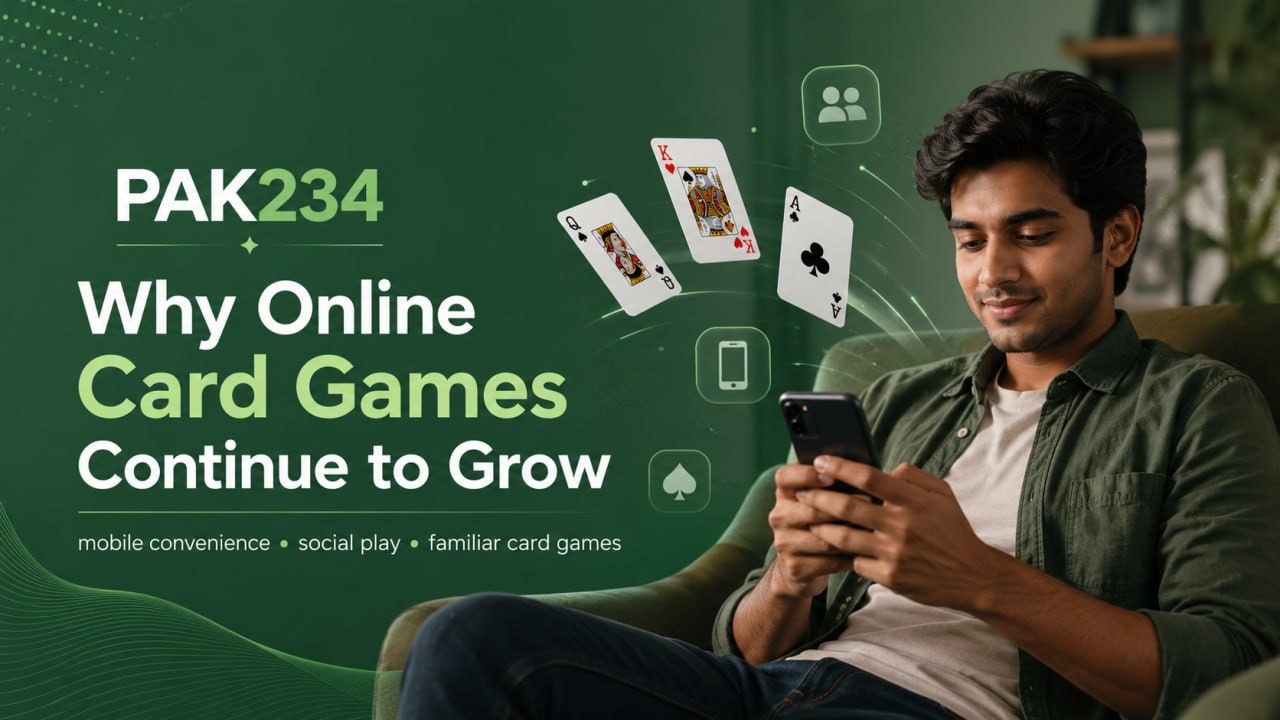
Card games have always had a strong place in social entertainment. Long before mobile apps became common, people played cards with friends, relatives, neighbors, and local groups because the games were easy to understand, competitive, and flexible enough for different skill levels. The move from physical tables to digital platforms did not remove that appeal. Instead, it made card games easier to reach and more suitable for modern mobile habits.
Today, online card games continue to grow because they combine familiar rules with fast access, mobile convenience, social competition, and reward-based features. Players no longer need to wait for a physical gathering or find a full group in the same room. They can open a mobile app, choose a game, join a table, and start playing within a few moments.
This is why platforms like PAK234 have become part of the broader discussion around online card gaming. They reflect how traditional card entertainment is being adapted for mobile users who want quick games, familiar formats, interactive play, and extra value from their time online.
Card Games Still Feel Familiar to Many Players
One reason online card games continue to grow is that the basic appeal is already understood. Card games are not difficult to explain to most users. Even when rules differ between game types, the overall idea feels familiar: players compare hands, make decisions, read situations, and compete against others.
This familiarity gives online card platforms a major advantage. A new user does not need to learn a completely new entertainment category from zero. Card games already carry cultural memory, especially in markets where Teen Patti-style games, rummy-style games, and other traditional formats are widely recognized.
Digital platforms build on this recognition. Instead of changing the core appeal of card games, they make the format easier to access. The result is a game category that feels old and new at the same time: familiar in rules, but modern in delivery.
Mobile Access Has Changed How People Play
The biggest shift in card gaming is not only that the games moved online. The bigger change is that they moved to mobile phones. Smartphones allow players to enjoy quick entertainment during breaks, evenings, commutes, or quiet moments at home.
This mobile-first behavior fits card games especially well. Many card games do not require long sessions. A player can join a short round, leave when finished, and return later without needing a full setup. That makes online card games more flexible than many larger gaming formats that demand longer attention and more complex controls.
Platforms like PAK234 benefit from this mobile behavior because they place card games inside a broader mobile entertainment environment. Users can explore familiar games, check activity sections, review rewards, and return when they have free time. The app format makes the experience more immediate than traditional desktop-based gaming.
Online Platforms Make Card Games More Social
Card games have always been social. The digital version keeps that social element but changes how it works. Instead of sitting around the same table, players now connect through online rooms, mobile groups, friend invitations, and gaming communities.
This matters because competition is more enjoyable when it feels shared. Players like comparing results, discussing rounds, learning from others, and inviting friends to try the same game. In some cases, the social side becomes just as important as the game itself.
Online platforms also make it easier for users to find other players. A physical card game needs available friends and a shared location. A digital card game only needs a phone, internet connection, and a platform that can match users with active games. This convenience helps explain why online card games continue to attract both regular players and new users.
Game Variety Keeps the Experience Fresh
Another reason online card games keep growing is variety. Digital platforms are not limited to one table or one format. They can offer different card games, quick challenges, lucky games, table-style formats, and event-based activities inside the same app.
This variety supports different player habits. Some users prefer familiar card games because they understand the rules. Others enjoy faster formats that feel lighter and easier to play in short sessions. More active players look for competitions, leaderboard-style activity, or bonus-related events that add more interest to the experience.
A platform such as PAK234 shows why this matters. When card games are placed alongside other game categories and reward features, users get more than one reason to return. They can play familiar games, try faster formats, follow activity updates, and choose the style that fits their mood at that time.
Rewards Add Another Layer of Interest
Entertainment is still the main reason people play, but reward features add another layer to online card gaming. Daily bonuses, task rewards, event rewards, referral rewards, and VIP benefits can make the experience feel more active than a basic game app.
The key point is that rewards should not replace the game itself. If the games are not enjoyable, rewards alone cannot create long-term interest. But when familiar games and reward features work together, users have more reasons to stay involved.
This is where reward-based card platforms differ from traditional online games. Players are not only checking whether they won a round. They also pay attention to daily activities, bonus rules, account records, and reward updates. For users who enjoy both gaming and earning interest, this combination makes the app more engaging.
Local Payment Habits Support Real-Cash Gaming
In markets such as Pakistan, online card game platforms are also shaped by local payment behavior. Players care about how recharge, withdrawal, account balance, and transaction records are handled. When real-cash rewards are involved, these details become part of the user experience.
JazzCash and Easypaisa are familiar payment methods for many Pakistani users, so platforms that connect gaming activity with local payment habits are easier to understand. Users do not only want to play games. They also want to see whether their rewards, deposits, withdrawals, and account records are clear.
This does not mean every reward should be treated as guaranteed income. Real-cash gaming still depends on rules, account conditions, activity requirements, and responsible use. But clear payment and record systems make online card gaming more practical for users who want to understand what happens inside their account.
Better Interfaces Make Card Games Easier for New Users
A good online card platform needs more than games. It also needs a clear interface. New users can quickly lose interest if they cannot find game sections, understand account tools, or locate reward information.
This is why simple navigation matters. Clear menus, readable labels, fast loading, and mobile-friendly design all affect whether users continue playing. A card game app should not make users feel lost before the game even begins.
The best platforms reduce confusion. They make it easy to find card games, check account details, review rewards, and move between different sections without too many steps. This kind of design helps both beginners and regular users, because nobody wants entertainment to feel like a technical task.
Responsible Use Remains Important
The growth of online card games also makes responsible participation more important. Card games can be entertaining, competitive, and rewarding, but users should still set limits and understand the rules before spending time or money.
Real-cash gaming should not be seen as fixed income. Rewards, withdrawals, and bonuses depend on platform rules and user activity. Players should read terms, protect account details, avoid emotional spending, and treat the experience as entertainment first.
This balanced view is important for the future of online card gaming. The category can continue to grow when users understand both sides: the enjoyment of familiar games and the need for careful personal control.
Final Thoughts
Online card games continue to grow because they match several modern habits at once. They are familiar, easy to access, mobile-friendly, social, competitive, and flexible enough for short sessions. Digital platforms have taken a traditional form of entertainment and made it easier to use in everyday life.
Platforms like PAK234 show how online card gaming has changed. The appeal is not only about moving card games onto a phone. It is about combining familiar gameplay with mobile access, rewards, local payment habits, and a smoother user experience.
That combination explains why online card games remain strong in the digital entertainment market. They give players something they already understand, but in a format that fits the way people use mobile apps today.