
In modern manufacturing across pharmaceuticals, cosmetics, hardware, stationery, and fast-moving consumer goods (FMCG), packaging does far more than just shield a product it acts as a vital tool for shelf appeal, branding, and consumer trust. Among the various packaging styles available today, blister card packaging stands out for its clarity, security, and aesthetic impact.
To achieve consistent, tamper-evident, and professional-grade seals, integrating a high-performance blister card sealing machine into your production line is one of the most effective investments you can make.
This guide explores how blister card sealing technology works, key benefits for your business, common machine types, and essential factors to consider when choosing the right solution.
What Is a Blister Card Sealing Machine?
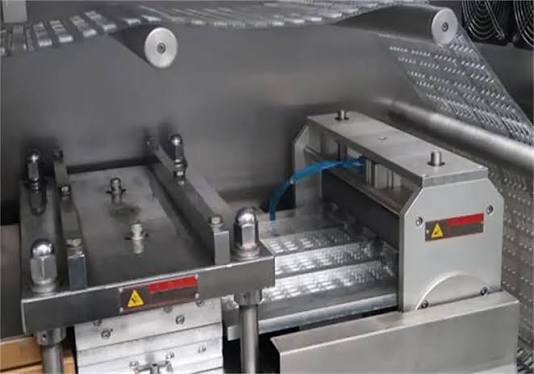
A blister card sealing machine is a semi-automatic or fully automated packaging system that bonds a transparent pre-formed plastic cavity (the blister) onto a coated cardboard backing (the card) using controlled heat and mechanical pressure.
The plastic bubble typically crafted from materials such as PVC, PET, or PVDC is custom-formed to match the contours of your product. The paperboard card is pre-treated with a specialized heat-seal coating. When the sealing machine applies precise heat and pressure over a set dwell time, the coating activates, creating a permanent, tight seal between the plastic cavity and the card.
How the Blister Card Sealing Process Works
While machine designs vary based on automation levels, the core sealing process generally follows these structured steps:
- Blister Placement: Pre-formed plastic blisters are loaded into custom tooling nests or jigs.
- Product Loading: Items are placed into the blister cavities, either manually by operators or automatically using pick-and-place robotic systems.
- Card Placement: Pre-printed cardboard cards with heat-seal coating are aligned over the filled blisters.
- Heat Sealing: A heated sealing platen presses down onto the assembly for a set duration, melting the card’s adhesive coating into the plastic flange.
- Cooling and Discharge: The package cools briefly to solidify the bond, after which the finished, fully sealed blister card is discharged from the machine.
Key Benefits of Using Blister Card Sealing Technology
Adopting modern blister card sealing equipment offers significant operational and commercial advantages:
1. Superior Product Protection & Tamper Evidence
Blister card packaging creates a durable protective shell around the product, safeguarding it against moisture, dust, physical impact, and handling damage. Furthermore, the format is inherently tamper-evident: any attempt to open or alter the package damages the paperboard, making tampering immediately obvious to consumers.
2. Maximum Product Visibility & Visual Appeal
Shoppers are naturally drawn to products they can see and inspect before buying. The crystal-clear plastic blister gives customers a full view of the physical product, while the large cardboard backer provides ample surface area for vibrant branding, usage instructions, regulatory labels, and barcodes.
3. Increased Output & Operational Efficiency
Compared to manual packaging or clamshell folding, automated sealing machines drastically accelerate throughput while maintaining uniform seal quality. Modern units minimize downtime and ensure consistent thermal parameters across every cycle.
4. Eco-Friendly & Cost-Effective
Blister card packaging uses significantly less plastic than full clamshell containers. Combined with recyclable paperboard backings, it offers an environmentally conscious packaging solution that reduces material costs without sacrificing structural strength.
Common Types of Blister Card Sealing Machines
Depending on your production volume, space constraints, and budget, several machine formats are available:
- Rotary Sealing Machines (Semi-Automatic / Automatic): Feature a rotating indexing table with multiple stations. Operators or pick-and-place units feed materials as the table rotates through loading, sealing, and unloading zones. Ideal for small to medium production runs.
- Inline Continuous Machines (Fully Automatic): Process thermoforming, loading, card placement, and sealing in one continuous straight line. Perfect for high-volume industrial operations requiring maximum automation.
- Shuttle / Slide Machines: Utilize a manual or pneumatic drawer system that slides the jig in and out of the heating chamber. Great for short runs, prototype packaging, or small workshops.
What to Consider When Choosing a Sealing Machine
Selecting the right equipment ensures maximum return on investment. Keep the following factors in mind:
- Tooling and Mold Flexibility: Ensure the machine can accommodate different product sizes and that mold changes are fast and straightforward.
- Precision Temperature and Pressure Control: Look for systems equipped with digital PID controllers and precision timers to prevent scorched cards or incomplete seals.
- Safety Features: Standard safety measures such as two-hand anti-tie-down start buttons, emergency stops, and protective guarding are essential for operator safety.
- Build Quality: Heavy-duty steel or stainless steel construction ensures long-term reliability and easy cleaning in demanding factory environments.
Conclusion
Blister card packaging remains one of the most reliable ways to combine product security, brand visibility, and cost efficiency. Equipping your production line with the right blister card sealing machine enhances your product’s retail presentation while ensuring long-lasting integrity from factory to shelf.
If you are looking to upgrade your packaging capabilities with robust and adaptable equipment, explore the comprehensive lineup at blister card packing machine to find the ideal setup for your business requirements.