
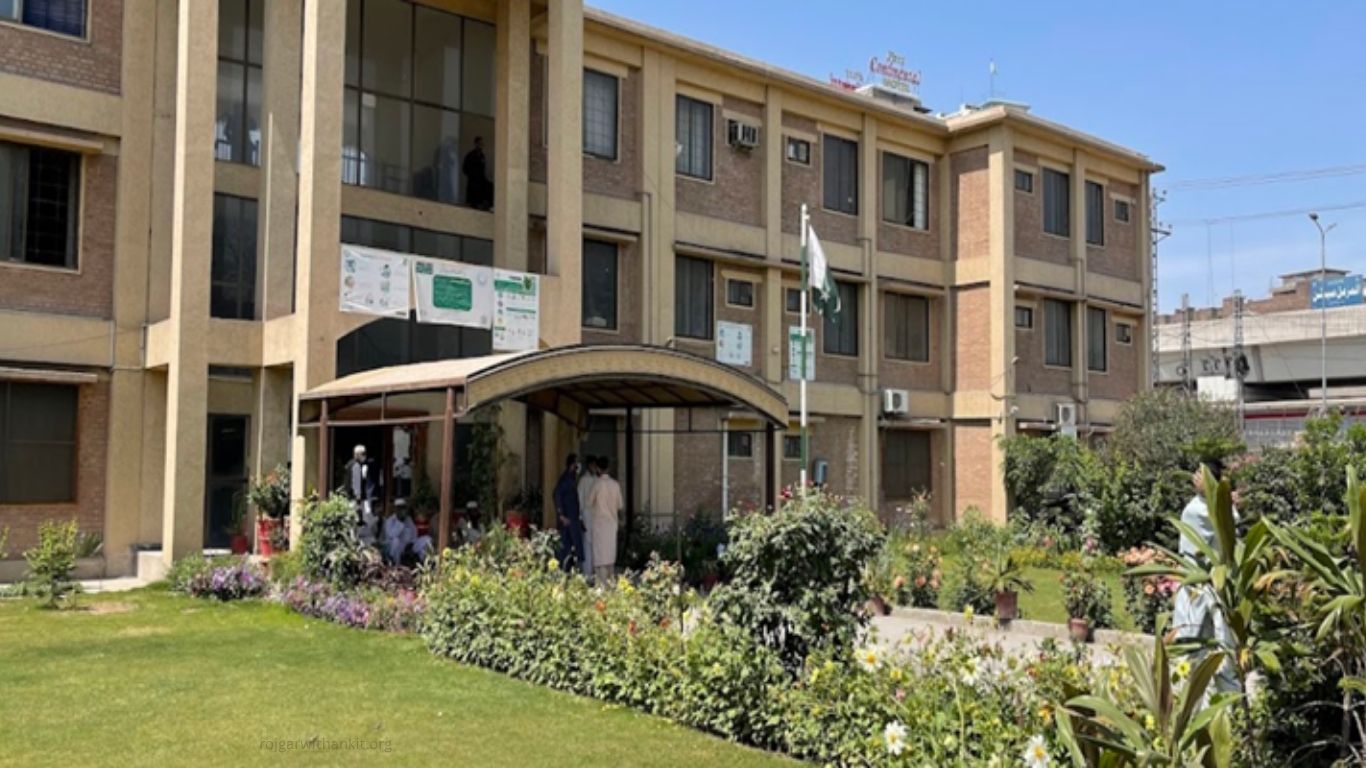
Education forms the cornerstone of societal development, and efficient administration ensures quality education reaches every child. In India, education administration operates at multiple levels, from central and state authorities to district offices. One such vital role in the educational hierarchy is that of the District Education Officer (Elementary Education). This article delves into the responsibilities, functions, and impact of the District Education Officer (Elementary Education) in Champawat, offering a detailed understanding for educators, policymakers, and citizens alike.
Understanding the Role of District Education Officer (Elementary Education)
The District Education Officer (DEO) for Elementary Education is a key administrative authority responsible for overseeing primary and upper-primary education within a district. In Champawat, a serene district in Uttarakhand, the DEO ensures that every child receives equitable and quality education under government schemes and policies.The position bridges the gap between state education authorities and schools. It ensures that national education programs are implemented effectively and that schools operate smoothly and efficiently. The DEO acts as the backbone of the district’s educational system, ensuring compliance, monitoring performance, and providing guidance to teachers and schools.
Responsibilities of the District Education Officer – Champawat
The DEO in Champawat has a multifaceted role that encompasses administrative, supervisory, and developmental responsibilities. Key duties include:
Supervision of Elementary Schools
The DEO monitors the functioning of all government, aided, and private elementary schools in the district. Regular inspections are conducted to ensure:
- Adherence to curriculum standards
- Proper teaching methodologies
- Infrastructure adequacy
- Enrollment and retention of students
Implementation of Education Policies
The DEO ensures that national and state-level education programs, such as Sarva Shiksha Abhiyan (SSA) and RTE Act (Right to Education), are effectively implemented in Champawat. This includes monitoring teacher recruitment, training programs, and school development plans.
Teacher Training and Capacity Building
Professional development of teachers is a core responsibility. The DEO organizes workshops, training sessions, and seminars to improve teaching quality, pedagogical skills, and classroom management.
Student Enrollment and Retention
Champawat’s DEO actively works to maximize enrollment in schools and reduce dropout rates. Special attention is given to marginalized communities and children with disabilities, ensuring inclusive education for all.
Budget and Resource Management
Effective utilization of funds is crucial in education administration. The DEO oversees allocation of resources, grants, and government aid to schools, ensuring transparency and accountability in financial management.
Data Collection and Reporting
Accurate data regarding school performance, student enrollment, teacher availability, and infrastructure is collected and reported to state authorities. This data-driven approach helps in informed policy-making and improvement strategies.
Key Challenges in Elementary Education Administration
Managing education at the district level comes with its challenges. The DEO of Champawat faces several issues that require strategic solutions:
- Geographical Constraints
Champawat is a hilly district with remote villages, making school accessibility difficult. The DEO ensures that students from these areas receive proper education through transportation solutions and mobile educational programs. - Teacher Shortage
Recruitment and retention of qualified teachers in rural areas is challenging. The DEO works to incentivize teachers and conduct periodic training sessions to enhance teacher retention. - Infrastructure Development
Many schools in Champawat need upgraded classrooms, libraries, and sanitation facilities. The DEO ensures that development projects under state and central schemes are implemented timely. - Monitoring Quality Education
Maintaining uniform quality across all schools requires constant supervision, teacher mentoring, and regular evaluations. The DEO uses data analysis and school inspections to address this issue.
Educational Programs and Initiatives in Champawat
The DEO of Champawat plays a crucial role in implementing and monitoring several educational initiatives, including:
Sarva Shiksha Abhiyan (SSA)
SSA aims to universalize elementary education. In Champawat, the DEO ensures enrollment of out-of-school children, infrastructure development, and teacher training.
Mid-Day Meal Scheme
To improve student nutrition and attendance, the DEO supervises the Mid-Day Meal Program, ensuring hygienic preparation and timely distribution of meals in all government schools.
Right to Education (RTE) Act
The DEO ensures compliance with RTE, guaranteeing free and compulsory education for children aged 6-14 and monitoring admission, classroom size, and teaching quality.
Digital Learning Initiatives
Modern education demands integration of technology. The DEO promotes e-learning platforms, smart classrooms, and digital literacy programs to enhance teaching and learning experiences.
Importance of DEO in Local Education Development
The District Education Officer (Elementary Education) is not just an administrative figure but a change-maker in the district. The DEO’s efforts ensure:
- Equitable Education Access: Bridging gaps between urban and rural students.
- Quality Enhancement: Regular teacher training and curriculum oversight.
- Community Engagement: Collaborating with parents, local bodies, and NGOs.
- Monitoring & Accountability: Ensuring transparency in education administration.
Through consistent monitoring, capacity building, and policy implementation, the DEO plays a pivotal role in shaping the future of Champawat’s children.
How the DEO Supports Teachers and Schools
Supporting educators is central to the DEO’s role. Some ways the DEO contributes include:
- Professional Development Programs: Regular workshops on modern teaching methods, assessment techniques, and inclusive education.
- Resource Allocation: Providing schools with textbooks, teaching aids, and digital tools.
- Problem Resolution: Addressing grievances, administrative challenges, and facilitating communication between teachers and higher authorities.
- Recognition and Motivation: Awarding best-performing teachers and schools to boost morale and encourage excellence.
Monitoring and Evaluation Mechanisms
To maintain educational standards, the DEO employs several monitoring mechanisms:
- School Inspections: Routine visits to assess teaching quality and infrastructure.
- Performance Audits: Reviewing student performance through exams, attendance records, and extracurricular participation.
- Feedback Systems: Collecting feedback from teachers, students, and parents to identify areas of improvement.
- Data Analysis: Using statistical data to make informed decisions and policy recommendations.
Impact of Effective District Education Administration
Effective administration by the DEO positively affects Champawat’s educational landscape:
- Increased literacy rates among children.
- Reduced dropout rates and enhanced enrollment.
- Improved teacher quality and student learning outcomes.
- Strengthened community involvement in school development.
- Efficient use of government funds and resources.
The role ensures that every child in Champawat not only accesses education but receives high-quality, inclusive, and equitable learning experiences.
Frequently Asked Questions
What is the role of the District Education Officer in Champawat
The DEO supervises elementary schools, implements education policies, monitors teacher performance, and ensures quality education for all students
How does the DEO support teachers
The DEO provides training programs, teaching resources, professional development workshops, and resolves administrative issues for teachers
Which education programs are implemented by the DEO in Champawat
Programs like Sarva Shiksha Abhiyan, Right to Education Act, Mid-Day Meal Scheme, and digital learning initiatives are managed by the DEO
How does the DEO improve student enrollment and retention
By focusing on marginalized children, monitoring attendance, implementing inclusive education strategies, and promoting community involvement
What challenges does the DEO face in Champawat
Challenges include difficult terrain, teacher shortages, infrastructure development, and ensuring consistent quality across all schools
Conclusion
The District Education Officer (Elementary Education) in Champawat plays a pivotal role in shaping the district’s educational landscape. By overseeing schools, implementing government programs, supporting teachers, and ensuring inclusive education, the DEO ensures that every child has access to quality learning opportunities. Despite challenges like geographical constraints and resource limitations, effective administration and continuous monitoring help improve student outcomes, teacher performance, and overall school development. The DEO’s efforts not only strengthen elementary education in Champawat but also lay the foundation for long-term social and economic growth in the region