
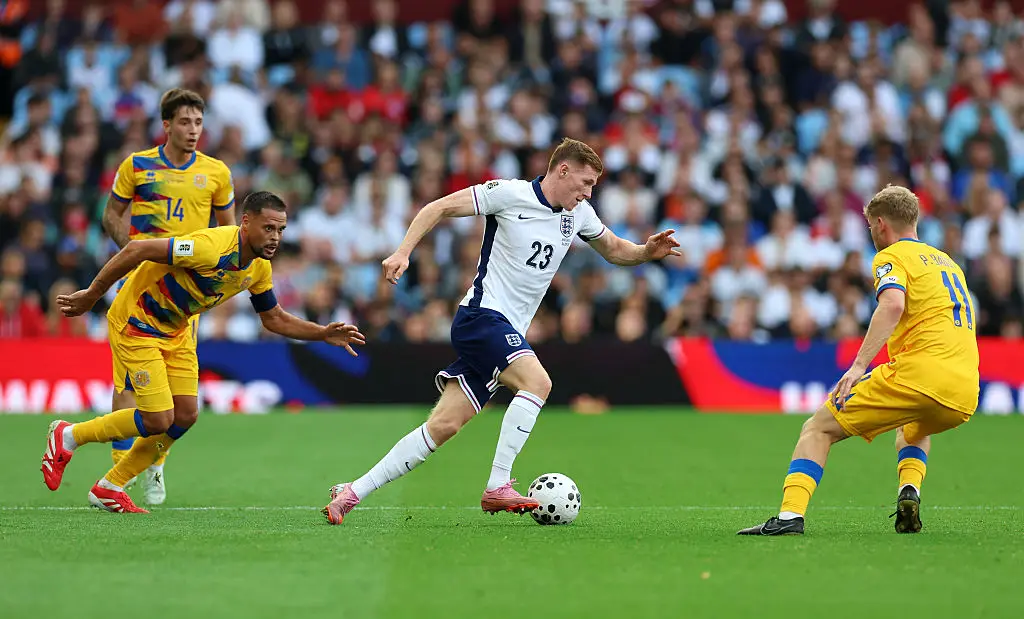
International breaks in the 2018/2019 Premier League season did not simply pause club football; they reshuffled physical workloads, travel demands and selection logic in ways that made the first game back fundamentally different from a normal league fixture. For anyone trying to read those matches seriously, ignoring FIFA dates meant ignoring changes in who was fit to start, who was tired and how managers recalibrated risk.
How the 2018/2019 international break calendar cut into the season
The Premier League’s 2018/2019 schedule was threaded with multiple FIFA international windows, including dates in September, October, November and March, with the final break arriving after fixtures on 16 March and league play resuming on 30 March. Each window removed players from clubs for roughly nine days, during which national teams usually played two competitive matches under the new UEFA Nations League format rather than low‑intensity friendlies.
These interruptions arrived on top of an already dense club calendar of league, domestic cups and European football. Elite players in 2018/2019 sometimes played well over 50 matches across all competitions for club and country within 11 months, as highlighted by reporting on Sadio Mané’s workload and Son Heung‑min’s 78 matches and 110,000 km of travel that year. In practice, that meant international breaks were not recovery blocks; they were additional, high‑intensity slices of work inserted into the season.
Why international duty created fitness problems on return
International breaks stressed fitness through three interacting factors: minutes played, travel and compressed turnaround. Player workload monitoring reports from FIFPRO show that elite Premier League players often had less than five days’ rest between matches during 2018/2019, with union data identifying a group of 16 players who played nearly 80 games and amassed substantial air miles that season. Those matches included long‑haul trips for non‑European players, with time‑zone shifts and minimal recovery before the next club fixture.
Analyses of international breaks emphasise that clubs must release players and that, in a standard window, they play twice and then return midweek, leaving only Thursday and Friday for travel recovery and tactical preparation before a Saturday match. Premier League stars returning from Africa, South America or Asia often stepped off flights only days or even hours before their first game back. This combination of intensity and travel increased short‑term fatigue, elevated soft‑tissue injury risk and pushed some players into league matches at less than full physical capacity.
How breaks pushed managers toward more rotation and altered XIs
Faced with returning players of uneven freshness and occasional new injuries, managers often modified their starting XIs in the first round after international breaks. An article on the impact of breaks on club performance notes that missing key players due to injuries picked up on international duty is a primary concern for coaches, and that they sometimes must cope without core midfielders or defenders for several club matches afterward. Even when players came back available, the combination of travel fatigue and minor knocks often led to reduced minutes or bench roles immediately after the break.
Scheduling nuances made the effect uneven. Arsenal, for example, played three of their 20 post‑break matches on Monday nights in the period analysed, gaining extra recovery days compared to clubs like Chelsea, City and Liverpool, whose first games back were disproportionately scheduled on Saturday. Those extra days changed how aggressively managers needed to rotate. In 2018/2019, clubs playing Saturday lunch‑time kick‑offs after midweek international travel were inherently more likely to shuffle their line‑ups than teams with Sunday or Monday fixtures and more training time.
A comparison table for typical post-break situations
To translate these patterns into something practical, you can think of post‑break fixtures in categories based on travel and rest:
| Post-break situation | Typical physical and selection effects |
| Many long‑haul internationals, Saturday KO | Higher fatigue, more minor knocks, greater likelihood of benching star players |
| Mostly domestic/European duty, Sunday/Monday | Moderate fatigue, closer to normal XI, better tactical preparation time |
| Few internationals, squad largely at training | Fresher legs, more tactical work, opportunity to target opponents returning fatigued |
| Key injuries suffered on duty | Forced changes in central positions, tactical adjustments, potential drop in stability |
This pattern aligns with broader research showing that travel and congested calendars influence player welfare and availability, and that clubs and managers worry about both short‑term absence and reduced performance on return. For 2018/2019, the mix of long‑haul stars and local players determined which clubs were hit hardest.
Where UFABET can sit inside an international-break aware process
If you are trying to incorporate international-break dynamics into pre‑match decisions, the crucial step is to read fitness and rotation risk before you ever consider where to place bets. A structured approach would be: list which Premier League teams in 2018/2019 sent many players overseas during the break; check which of those returned late or with reported issues; then evaluate how the timing of their first fixture back (Saturday vs Sunday/Monday) affects expected freshness. Once that grid is clear, you can decide how much to adjust your view of match odds, totals or specific player markets. Only after that process would it make sense to implement any decisions through a chosen online betting site, for instance ufabet เว็บแม่, treating it as the final step where an already fitness‑ and rotation‑aware plan is executed rather than as a place to react impulsively to headline odds.
How international breaks split squads into “tired” and “fresh” groups
One under‑appreciated detail is that international breaks do not exhaust entire squads equally; they create internal gaps between heavily used internationals and teammates who stayed behind. Articles examining the impact of breaks note that some club players spend the window in training, recovering and working on tactical schemes, while their colleagues play long minutes abroad. On the first weekend back, this can produce line‑ups where a core of rested players appears alongside returning internationals who may be slightly off‑pace.
Clubs with more domestically based or non‑selected players thus gain a relative advantage in sharpness, particularly when facing sides built around international stars from multiple confederations. This split can influence both the starting XI and substitution patterns: managers might hold returning stars on the bench initially or withdraw them earlier than normal, while leaning heavily on the “fresh” group to carry pressing and transition loads.
How a casino online environment can obscure or reinforce break-related edges
International-break effects are subtle and often visible only when you track them systematically. In a broad online gambling environment, that subtlety competes with the immediacy of live odds moves, in‑play swings and non‑football markets. To keep a clear view, it helps to treat post‑break fixtures as a separate class in your notes, marking which teams are likely undercooked and which are relatively fresh. When you then access markets inside a casino online website, you can check that label first before deciding whether to get involved, rather than being guided only by headline form tables or recent domestic results.
Over time, logging how often your post‑break fitness and rotation expectations aligned with actual line-ups and match outcomes allows you to test whether these patterns in 2018/2019‑style seasons genuinely offered an edge. The same tracking also guards against overreacting to a few high‑profile “curse of the international break” stories and encourages a more measured understanding of when breaks matter and when they do not.
Where the concept fails: limits of reading every wobble as a break effect
Despite real effects on fitness and rotation, not every surprise result after an international break comes from travel or national‑team minutes. Analyses of club performance across multiple seasons suggest that, over long samples, international breaks do not drastically alter aggregate results; where they do appear to matter, the difference can often be explained by opponent strength, match location and scheduling quirks. In other words, breaks act more as context than as deterministic forces.
There is also the problem of small samples and narrative bias. A dramatic upset after a break is memorable—especially when returning stars look sluggish—but many routine favourites also win comfortably in those rounds. Attributing every upset to “FIFA days” ignores tactical choices, injuries unrelated to international duty, and plain randomness. The player workload data from 2018/2019 underlines that elite footballers were heavily used, yet how that translated into specific 90‑minute performances varied substantially.
Summary
In the 2018/2019 Premier League, FIFA international breaks inserted extra travel, minutes and uncertainty into a season that was already physically dense, leaving some players tired or injured and pushing managers toward more rotation in the first matches back. The impact on betting came from understanding which squads had many long‑haul internationals, how quickly they returned to action and how managers historically reacted in similar windows, rather than from a blanket belief that all post‑break fixtures are traps. Used as structured context—alongside line‑ups, tactical tendencies and opponent quality—international-break awareness becomes another practical filter in evaluating how reliable pre‑break form really is when club football restarts.