
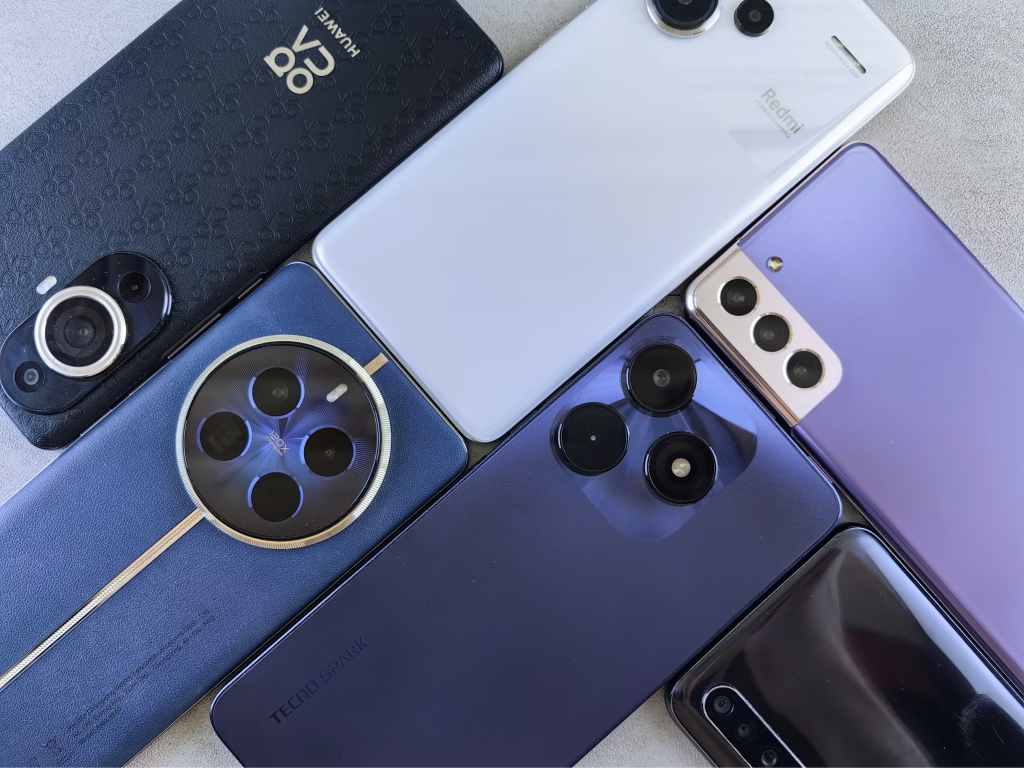
For years, smartphone progress was easy to describe. Each new release promised a sharper camera, brighter display, faster chip, and a battery that was supposed to last longer than the last one. That formula worked for a while because people could see the upgrade immediately. A photo looked cleaner, a video looked smoother, and the whole device felt quicker in the hand. But that cycle is starting to feel familiar. Better cameras still matter, yet the future of smartphones will probably be shaped by something deeper than another jump in megapixels.
That shift is already visible in the wider digital world, where platforms with very different purposes, including names like sankra casino, reflect how much daily life now revolves around mobile access, personalized interfaces, and constant connection. Smartphones sit at the center of that system. The next big leap will not come only from photography. It will come from how the device understands context, adapts to habits, connects to other tools, and becomes less of a gadget and more of a digital layer over everyday life.
Why Better Cameras No Longer Feel Like Enough
There was a time when camera upgrades could carry an entire launch. That is harder now. Most modern smartphones already take very good photos in normal conditions. For the average user, the gap between one strong camera and another strong camera is no longer dramatic. It exists, of course, but it does not always feel life-changing.
This creates a problem for the industry. When one of the biggest selling points becomes less exciting, companies need a new story. That story is starting to move toward software intelligence, seamless integration, and devices that behave more like personal assistants than portable screens.
A modern phone is no longer judged only by how it captures an image. It is judged by how well it organizes a day, filters distractions, manages tasks, supports communication, and fits into a bigger digital environment. In simple terms, the future phone may be less about seeing better and more about thinking better.
The Next Smartphone Will Be More Predictive
One of the clearest changes is the rise of smarter software. Phones are becoming better at learning routines, anticipating needs, and shaping the interface around behavior. Instead of waiting for every command, the device begins to suggest actions, organize information, and reduce unnecessary steps.
This does not mean the phone becomes some magical genius in a glass rectangle. Technology marketing loves that kind of drama. Still, the direction is real. A smartphone that understands when to silence alerts, when to surface tickets, when to suggest routes, or when to summarize messages is far more useful than one that only boasts about a slightly stronger zoom lens.
What Will Likely Define the Next Generation of Smartphones
- Smarter on-device AI for faster suggestions and better privacy control
- More adaptive interfaces that change based on time, place, and routine
- Stronger cross-device integration with laptops, watches, cars, and tablets
- Better battery efficiency through software optimization, not only bigger cells
- Improved voice interaction that feels more natural and less robotic
- Context-aware tools that reduce clutter and surface useful actions sooner
These shifts may sound less flashy than camera marketing, but they affect daily life more often. A better photo mode is nice. A device that quietly saves time every day is better.
Phones Are Becoming the Center of a Larger System
Another reason the future looks different is that smartphones no longer operate alone. The device is becoming the command center for a whole network of connected tools. Wireless earbuds, smartwatches, cars, home systems, payment apps, health tracking, work platforms, and travel services all meet in the same place.
That changes what people expect from a phone. The best smartphone of the future may not be the one with the most dramatic hardware. It may be the one that connects everything most smoothly. Friction is the real villain now. Logging in, switching apps, repeating the same actions, fixing sync errors, hunting through settings. That is the stuff that makes modern life feel weirdly heavier than it should.
A phone that removes those tiny daily annoyances becomes more valuable than a device that simply adds another camera feature most people will use twice.
New Shapes May Matter More Than New Specs
There is also a strong chance that design itself will keep changing. Foldables, thinner bodies, lighter materials, and more flexible screen formats suggest that the smartphone may not stay frozen in its current shape forever. The rectangular slab has had a very long run, and honestly, it has started to feel like the black turtleneck of technology. Reliable, iconic, slightly stuck in the same mood.
Future models may focus more on adaptability. A device could shift more smoothly between phone, mini tablet, work screen, or wearable companion. The goal will not be novelty for its own sake, but usefulness across different moments of the day.
What Users May Start Expecting Instead
As smartphone development matures, expectations are likely to become more practical. The loudest selling point may no longer be a giant camera module or another photo comparison during a product event. More attention may go to how the device behaves over time.
What Users Will Probably Care About More
- Longer software support instead of quick replacement cycles
- Better privacy features with clearer control over personal data
- Less distracting design that supports focus rather than constant interruption
- Stronger durability so the device survives real daily use
- Repair-friendly construction that feels less wasteful
- Reliable performance after years rather than only during launch month
This is where the market may become more honest. The future smartphone will need to prove value through everyday usefulness, not just launch-day excitement.