
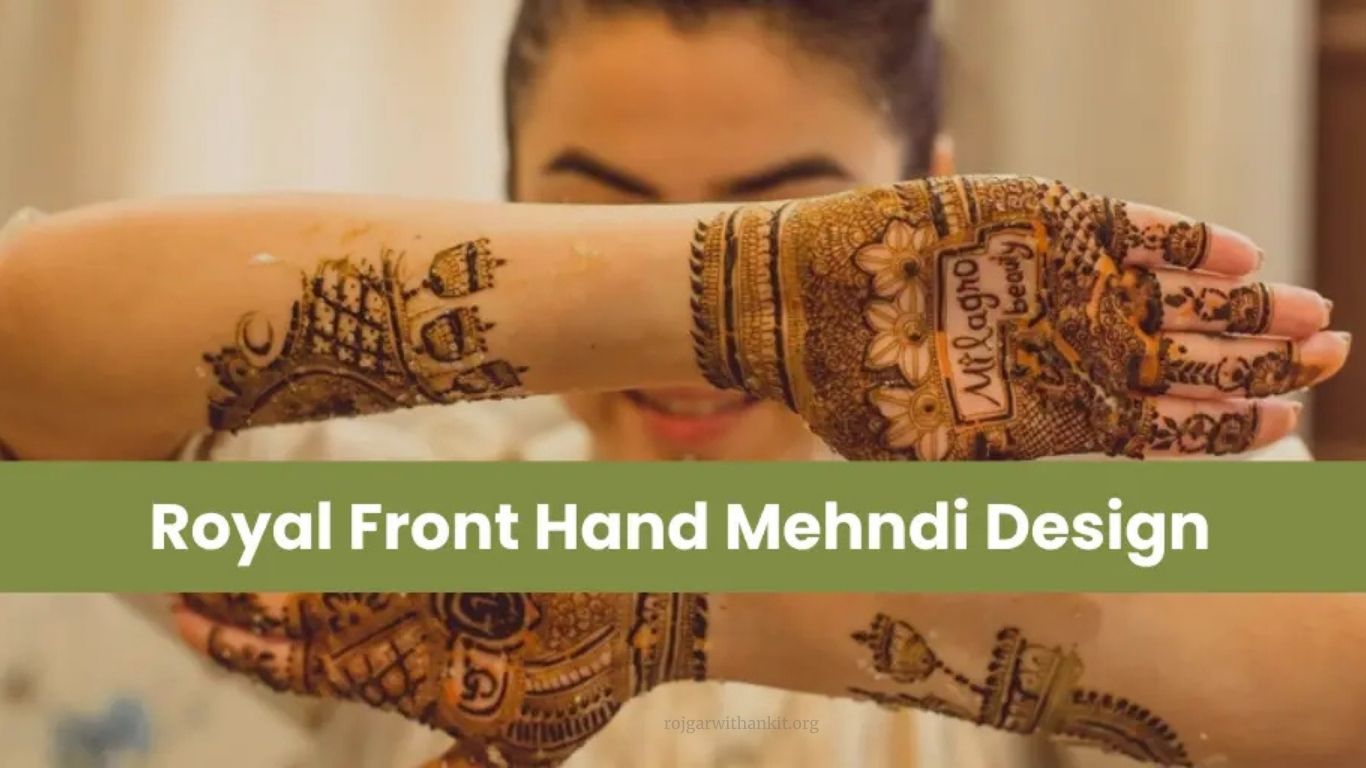
Mehndi, also known as henna, has been a significant part of South Asian and Middle Eastern traditions for centuries. Among the various styles, the royal front hand mehndi design has gained immense popularity for its intricate detailing and regal appearance. Perfect for weddings, festivals, and special occasions, this design transforms hands into a canvas of elegance and sophistication.In this article, we will explore the history, significance, types, techniques, and trending ideas for the royal front hand mehndi design, helping you make an informed choice for your next event.
What is a Royal Front Hand Mehndi Design?
A royal front hand mehndi design is a style that emphasizes grandeur and intricacy, typically covering the front (palm side) of the hand with detailed patterns. Unlike simpler mehndi designs, royal designs are elaborate, often combining floral motifs, paisleys, geometric shapes, and fine line work. They are inspired by traditional Indian, Arabic, and Moroccan mehndi styles but with a luxurious twist.
The key characteristics of a royal front hand mehndi design include:
- Intricate Detailing: Every corner of the palm is adorned with fine patterns.
- Symmetry: Designs are balanced and symmetrical, giving a polished look.
- Bold and Fine Lines: A combination of thick outlines and delicate strokes enhances the depth and richness of the design.
- Cultural Motifs: Often includes traditional symbols like peacocks, lotus flowers, and mandalas.
These designs not only highlight artistry but also symbolize cultural richness and elegance.
History and Cultural Significanc
Mehndi has a deep-rooted history, dating back over 5,000 years. It was used in ancient civilizations for cosmetic, medicinal, and ceremonial purposes. The royal mehndi designs, in particular, were initially popular among queens and aristocrats, reflecting status, grace, and style.In South Asian cultures, applying mehndi is more than decoration—it signifies joy, beauty, and good fortune. A royal front hand mehndi design is often chosen for:
- Weddings: Brides prefer elaborate designs to complement their bridal attire.
- Festivals: Celebrations like Eid, Diwali, and Karva Chauth see women adorning their hands with intricate patterns.
- Special Occasions: Engagements, baby showers, and parties often feature royal mehndi designs for elegance.
The design represents prosperity and happiness, making it a timeless favorite.
Types of Royal Front Hand Mehndi Designs
Royal front hand mehndi designs come in various styles to cater to different preferences. Some of the most popular types include:
Bridal Royal Mehndi
Bridal mehndi is the most intricate form, covering the palm extensively with elaborate motifs. These designs often include personal touches like initials, portraits, or symbols of love.
Arabic Royal Mehndi
Arabic designs are characterized by floral and leaf motifs with flowing patterns. Royal Arabic mehndi often combines these elements with bold outlines to give a majestic appearance.
Indian Royal Mehndi
Indian royal designs are heavily detailed with paisleys, mandalas, and intricate net patterns. They are perfect for brides and traditional events.
Moroccan Royal Mehndi
Moroccan styles emphasize geometric shapes and symmetrical patterns. Combining these with floral elements creates a modern yet regal look.
Fusion Royal Mehndi
Modern fusion designs mix multiple styles, giving a unique and personalized royal touch. This is ideal for women seeking something contemporary yet traditional.
Key Elements of a Royal Front Hand Mehndi Desig
To achieve a true royal look, several elements must be incorporated:
- Central Motif: Often a large flower, mandala, or paisley placed at the center of the palm.
- Filling Patterns: Tiny dots, lines, grids, and lace-like designs fill the empty spaces.
- Borders: Thick, defined borders enhance the richness of the design.
- Finger Detailing: Each finger is intricately decorated, either with rings, stripes, or delicate motifs.
- Symmetry and Flow: Designs must maintain balance and flow to look harmonious and elegant.
These elements make royal mehndi designs stand out, transforming simple hands into a piece of art.
How to Apply a Royal Front Hand Mehndi Design
Creating a royal mehndi design requires skill, patience, and practice. Here’s a step-by-step guide:
Step 1: Prepare the Hand
- Cleanse the hand thoroughly to remove oils or lotions.
- Apply a thin layer of eucalyptus oil to enhance the mehndi color.
Step 2: Prepare the Mehndi Cone
- Use fresh, high-quality henna for deep color.
- Cut the tip of the cone carefully for precise application.
Step 3: Start with the Central Motif
- Begin by drawing the main motif in the center of the palm.
- Ensure symmetry and proportion, as it forms the focal point of the design.
Step 4: Add Filling and Borders
- Fill empty spaces with intricate patterns like dots, lines, or small flowers.
- Add borders around the central motif and fingers for definition.
Step 5: Finger Details
- Draw rings, paisleys, or leaf patterns on fingers.
- Keep the designs delicate yet connected to the main palm motif.
Step 6: Drying and Aftercare
- Allow the mehndi to dry completely for at least 4–6 hours.
- Avoid washing hands immediately; use a sugar-lemon mixture for better color.
Trending Royal Front Hand Mehndi Designs in 2026
Fashion and style trends keep evolving, and royal mehndi designs are no exception. Here are some trending patterns this year:
- Minimalist Royal Designs: Combining elegance with less clutter, focusing on key motifs.
- Floral Fusion: Large floral patterns paired with geometric lines for a contemporary touch.
- Traditional Royal with Modern Twist: Classic Indian or Arabic designs enhanced with unique finger details.
- Celebrity-Inspired Designs: Inspired by red-carpet events, featuring bold central motifs with delicate fillers.
- Glitter and Colored Mehndi: Adding glitter or colored henna to royal designs for a glamorous effect.
These trends allow women to personalize their royal mehndi while keeping it stylish and modern.
Tips for Choosing the Perfect Royal Front Hand Mehndi Design
Selecting the right design is crucial for making a lasting impression. Consider these tips:
- Match with Outfit: Coordinate the mehndi design with your dress, especially for weddings and festive occasions.
- Consider Occasion: Choose intricate full-hand designs for weddings and lighter patterns for casual events.
- Personalization: Add initials, dates, or small symbols to make your design unique.
- Hand Size and Shape: Longer fingers suit elongated motifs, while smaller palms look better with compact, dense patterns.
- Comfort and Timing: Royal designs take time to apply, so schedule accordingly.
Following these tips ensures your royal mehndi complements your overall look perfectly.
Benefits of a Royal Front Hand Mehndi Design
Besides beauty, royal mehndi offers several advantages:
- Cultural Connection: Showcases traditional artistry and cultural heritage.
- Aesthetic Appeal: Enhances the elegance of hands, making them look graceful.
- Therapeutic Effects: Henna has natural cooling properties, which can soothe stress and anxiety.
- Customization: Can be personalized for personal significance or events.
- Long-Lasting Impression: Leaves a memorable impression at weddings, parties, and festivals.
It’s not just decoration; it’s a celebration of art, tradition, and personal style.
Frequently Asked Question
What is a royal front hand mehndi design?
A royal front hand mehndi design is an intricate henna design applied on the palm side of the hand, featuring detailed patterns, bold motifs, and symmetrical arrangements. It’s often used for weddings, festivals, and special occasions to give a regal and elegant look.
How long does a royal mehndi design last?
A royal mehndi design usually lasts 7–14 days, depending on factors like skin type, henna quality, and aftercare. Darker shades are achieved by keeping the mehndi paste on for 6–8 hours or overnight.
Can I apply royal mehndi designs at home?
Yes, you can apply royal mehndi at home, but these designs require precision and patience. Using a fine-tipped henna cone and practicing basic motifs like paisleys, flowers, and mandalas will help achieve a professional look.
Can men wear royal mehndi designs?
Yes, men can also wear royal mehndi, though designs are usually simpler and more geometric. Minimalistic royal patterns on hands or wrists are trending among men for weddings and festive events.
Is royal mehndi suitable for small hands?
Absolutely! For smaller hands, compact and dense patterns with a clear central motif work best. Designs can be tailored to ensure symmetry and elegance without overwhelming the hand.
Conclusion
Royal front hand mehndi design is a timeless symbol of elegance, tradition, and artistry. Its intricate patterns, cultural significance, and regal appearance make it a favorite choice for brides, women attending special occasions, and mehndi enthusiasts worldwide. Whether you prefer classic Indian motifs, flowing Arabic patterns, or a modern fusion, royal mehndi designs offer endless possibilities to express your style and grace.Investing in a royal front hand mehndi design means embracing tradition while celebrating beauty in every intricate detail. With proper care and skilled application, these designs not only enhance your hands but also become a cherished part of your memories.