
Lakshmi Devi, one of the most revered deities in Hinduism, symbolizes wealth, prosperity, and fortune. Known for her divine grace and benevolence, Lakshmi has been worshiped for centuries by millions of devotees across the world. In this comprehensive guide, we explore the origins, significance, and worship of Lakshmi Devi, along with her symbolism, festivals, and practical aspects of devotion.
Who is Lakshmi Devi?
Lakshmi Devi, also referred to as Mahalakshmi, is the consort of Lord Vishnu, one of the principal deities of the Hindu Trimurti. She represents not only material wealth but also spiritual prosperity and moral righteousness. According to Hindu mythology, she emerged during the famous Samudra Manthan (the churning of the ocean) and chose Lord Vishnu as her eternal consort.
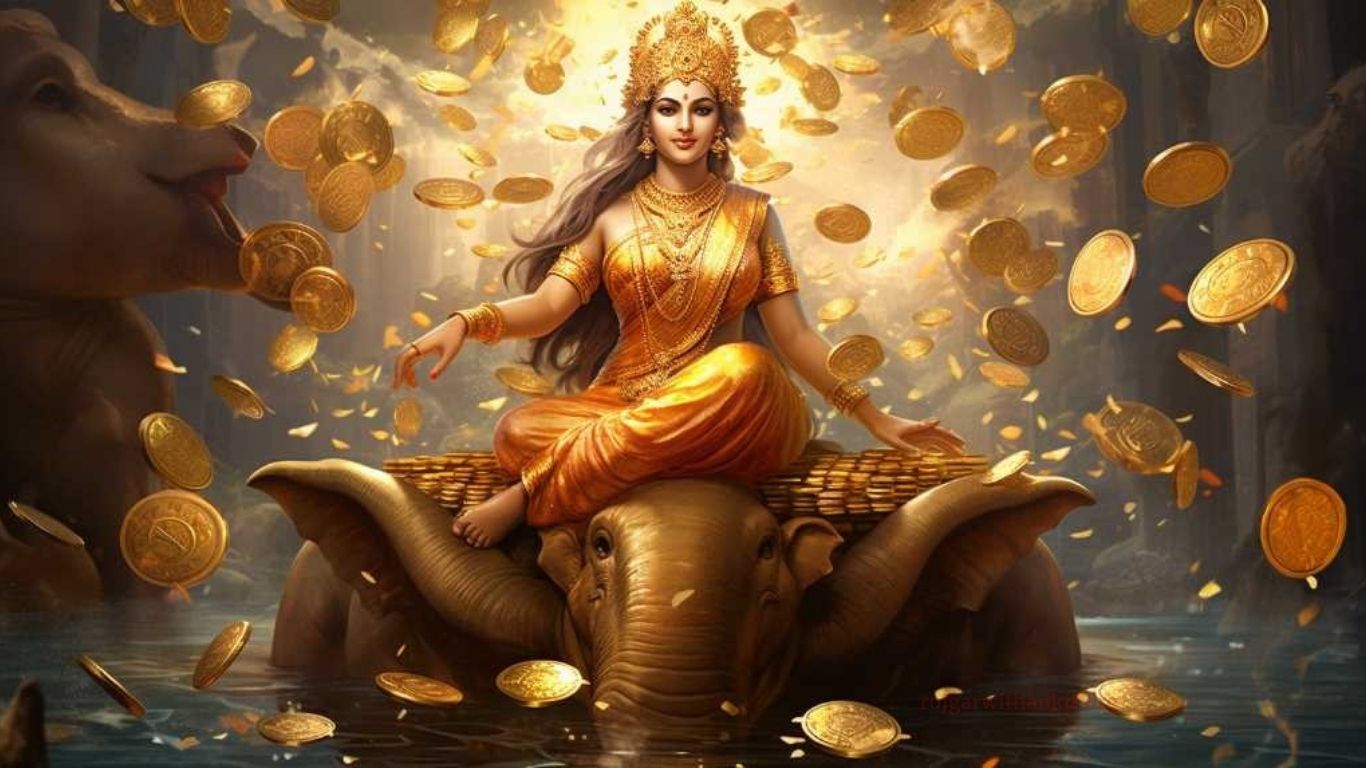
Lakshmi Devi is typically depicted as a beautiful woman with four hands, sitting or standing on a lotus flower, holding lotus buds, and showering gold coins from one hand. Her four hands signify dharma (righteousness), artha (wealth), kama (desires), and moksha (liberation).
The Symbolism of Lakshmi Devi
Lakshmi Devi’s symbolism extends beyond material wealth. She embodies abundance, good fortune, fertility, and purity. Each aspect of her imagery carries spiritual meaning:
- Lotus flower: Spiritual growth, purity, and the unfolding of consciousness.
- Gold coins: Material prosperity and abundance.
- Elephants: Power, strength, and auspiciousness.
- Red attire: Prosperity, fertility, and energy.
Worshipping Lakshmi Devi encourages devotees to seek not only financial success but also personal growth, ethical living, and emotional well-being.
The Different Forms of Lakshmi Devi
Lakshmi Devi is worshipped in several forms, each representing a different aspect of wealth and prosperity. Some of her popular forms include:
- Adi Lakshmi: The primordial form, representing eternal wealth and timeless prosperity.
- Dhana Lakshmi: Goddess of material wealth and riches.
- Dhanya Lakshmi: Provider of agricultural abundance and food security.
- Gaja Lakshmi: Symbol of power, royalty, and success.
- Santana Lakshmi: Bestower of progeny and family welfare.
- Vijaya Lakshmi: Bringer of victory and triumph.
- Vidya Lakshmi: Goddess of knowledge, wisdom, and education.
- Aishwarya Lakshmi: Goddess of luxury, opulence, and grandeur.
Understanding these forms helps devotees worship her more effectively according to their needs.
Festivals Dedicated to Lakshmi Devi
Lakshmi Devi is honored in numerous Hindu festivals, with Diwali being the most prominent. On Diwali, homes are cleaned and illuminated to welcome her blessings for the year ahead. Devotees perform the Lakshmi Puja, offer flowers, fruits, sweets, and chant her mantras to invite prosperity and harmony.
Another significant festival is Varalakshmi Vratam, primarily celebrated in South India, where married women pray for the well-being of their families and prosperity. Similarly, Sharad Purnima and Navaratri also include rituals dedicated to Lakshmi Devi.
Worshiping Lakshmi Devi: Rituals and Practices
Worshiping Lakshmi Devi involves both spiritual devotion and practical rituals. Here are key practices:
- Daily Puja: Devotees light a lamp and offer flowers, fruits, and sweets to her idol or image.
- Chanting Mantras: Reciting the Lakshmi Ashtakshara Mantra (“Om Shreem Mahalakshmiyei Namah”) is believed to attract wealth and remove obstacles.
- Fasting: Many devotees observe fasts on Fridays or special occasions to honor Lakshmi Devi.
- Cleanliness: Maintaining a clean and well-decorated home is considered essential, as it attracts her blessings.
- Charity: Sharing wealth and helping the needy aligns with her principles of prosperity and dharma.
Through these rituals, devotees cultivate gratitude, discipline, and spiritual connection with the goddess.
Lakshmi Devi in Sacred Texts
Lakshmi Devi is mentioned extensively in ancient Hindu scriptures. The Vedas, Puranas, and Upanishads describe her as the embodiment of wealth and divine energy. In the Sri Sukta of the Rigveda, she is praised as the source of prosperity and well-being. The Padma Purana and Vishnu Purana elaborate on her origin, forms, and significance in everyday life.
Lakshmi Devi and Spiritual Prosperity
While Lakshmi Devi is popularly associated with material wealth, her deeper essence lies in spiritual prosperity. True wealth, according to her teachings, encompasses contentment, ethical living, wisdom, and emotional stability. Worshiping Lakshmi Devi encourages balance between worldly success and inner fulfillment.
Lakshmi Devi in Modern Life
In today’s fast-paced world, Lakshmi Devi’s symbolism remains highly relevant. She reminds us that:
- Wealth should be acquired ethically.
- Prosperity is not just money but also knowledge, health, and relationships.
- Generosity and charity are essential aspects of abundance.
Many modern devotees place her idol in offices, homes, and shops to invite prosperity, using her blessings to inspire both personal and professional growth.
Frequently Asked Questions
Who is Lakshmi Devi’s consort?
Lakshmi Devi is the consort of Lord Vishnu, the preserver of the universe in Hinduism.
What are the main symbols associated with Lakshmi Devi?
She is associated with the lotus flower, gold coins, elephants, and red attire, each symbolizing prosperity, purity, and strength.
When is the best time to worship Lakshmi Devi?
Fridays, Diwali, Varalakshmi Vratam, and full moon days are considered auspicious for her worship.
What is the main mantra to invoke Lakshmi Devi?
The popular mantra is: “Om Shreem Mahalakshmiyei Namah”. Reciting it daily is believed to attract wealth and fortune.
What are the eight forms of Lakshmi Devi?
Adi Lakshmi, Dhana Lakshmi, Dhanya Lakshmi, Gaja Lakshmi, Santana Lakshmi, Vijaya Lakshmi, Vidya Lakshmi, and Aishwarya Lakshmi.
How can Lakshmi Devi’s blessings be applied in daily life?
Her blessings encourage ethical wealth creation, family well-being, knowledge acquisition, and spiritual growth.
Conclusion
Lakshmi Devi is not just the goddess of wealth but a symbol of holistic prosperity, encompassing material, spiritual, and moral abundance. Through her worship, devotees learn the importance of balance, generosity, and ethical living. Whether through traditional rituals, chanting mantras, or embodying her principles in daily life, Lakshmi Devi continues to inspire millions across the globe. By honoring her, we invite prosperity, positivity, and harmony into our lives.