
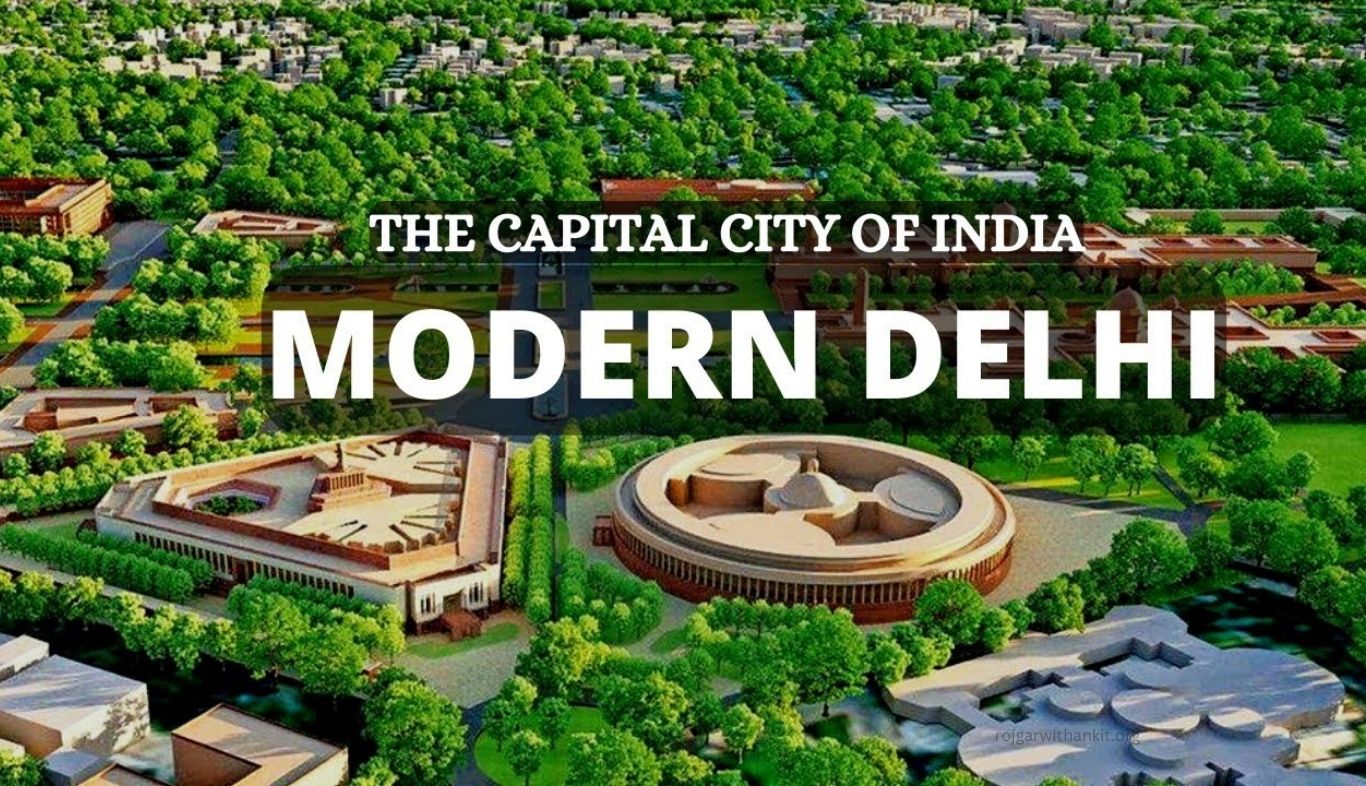
Delhi, the vibrant capital of India, is one of the most populous cities in the world. With its rich history, economic significance, and cultural diversity, Delhi has become a focal point for migration, trade, education, and politics. Understanding the Delhi population is crucial for urban planning, infrastructure development, and policymaking. This article provides an in-depth analysis of Delhi’s population, demographic trends, growth patterns, and challenges associated with urban density.
Overview of Delhi
Delhi, officially known as the National Capital Territory (NCT) of Delhi, serves as the political and administrative hub of India. Covering an area of approximately 1,484 square kilometers, Delhi is a city that merges historical significance with modern urban life. It is home to major landmarks, cultural institutions, and business centers, attracting millions of people from across India and the world.As the capital city, Delhi experiences rapid population growth due to migration, urbanization, and natural increase. This growth has significant impacts on infrastructure, housing, transportation, and public services.
Historical Population Growth in Delhi
The population of Delhi has witnessed substantial growth over the last few decades. According to historical census data:
- 1951: Delhi’s population was approximately 1.4 million.
- 1981: The population crossed 4.3 million.
- 2001: Delhi’s population surged to around 13.8 million.
- 2011: The census recorded 16.8 million residents.
The historical trend indicates that Delhi has been growing exponentially due to migration from neighboring states and natural population increase. Urban expansion and industrial development have further accelerated this growth.
Current Population Statistics
As of the latest estimates in 2024, the population of Delhi is approximately 19 to 20 million, making it one of the most populous cities in India. Delhi accounts for roughly 1.5% of India’s total population, despite occupying less than 0.05% of the country’s geographical area.
Key Statistics
- Total Population: 19–20 million
- Urban Population: 97%
- Male Population: 10.4 million
- Female Population: 9.6 million
- Sex Ratio: 920 females per 1000 males
Delhi’s high population density, estimated at 11,300 people per square kilometer, reflects the immense pressure on urban infrastructure and resources.
Demographic Composition
Delhi’s population is diverse in terms of religion, language, and ethnicity. Major components include:
Religion
- Hindus: 81%
- Muslims: 12%
- Sikhs: 4%
- Christians, Jains, and others: 3%
Languages
- Hindi (predominantly spoken)
- Punjabi, Urdu, and English are widely used
- Regional dialects from migrants
Age Structure
- 0–14 years: 23%
- 15–59 years: 67%
- 60+ years: 10%
Delhi’s youth-dominated demographic indicates a high potential workforce but also a growing demand for education, healthcare, and employment opportunities.
Population Density and Urbanization
Delhi’s population density is among the highest in India. Urbanization has led to the expansion of residential areas, commercial zones, and industrial sectors. Key aspects include:
- High-density neighborhoods: Central Delhi, South Delhi, and West Delhi
- Urban sprawl: Peripheral districts like Ghaziabad, Noida, and Gurgaon are seeing increased population due to migration
- Challenges: Traffic congestion, pollution, and strain on public services
The continuous influx of people has made Delhi a mega-city with complex planning and infrastructural challenges.
Factors Influencing Population Growth
Several factors contribute to Delhi’s rapid population growth:
- Migration: Influx from Uttar Pradesh, Bihar, Rajasthan, and other states
- Economic Opportunities: Availability of jobs in IT, business, and government sectors
- Educational Institutions: Attracts students from across India
- Healthcare and Facilities: Advanced medical and social infrastructure
- Natural Population Growth: Higher birth rates in certain communities
These factors combine to make Delhi a magnet for people seeking better livelihoods.
Migration Patterns in Delhi
Migration is a major driver of population growth in Delhi. The city attracts migrants for employment, education, and business. Key insights:
- Rural to Urban Migration: Majority come from neighboring states
- Interstate Migration: Significant numbers from Bihar, Uttar Pradesh, Rajasthan
- International Migration: Smaller but notable population from South Asia and Africa
Migration contributes to cultural diversity but also increases the demand for affordable housing and public services.
Social and Economic Implications
The growing population of Delhi has multifaceted implications:
Social Implications
- Strain on healthcare and education systems
- Increased demand for housing, leading to informal settlements
- Cultural and linguistic diversity enhancing cosmopolitanism
Economic Implications
- Boost to labor market and economic activity
- Pressure on infrastructure and public transportation
- Need for job creation to reduce unemployment
The challenge is balancing economic growth with sustainable urban planning.
Government Initiatives and Policies
To manage Delhi’s population challenges, the government has implemented several policies:
- Urban Planning and Housing Schemes: Development of affordable housing projects and resettlement colonies
- Public Transportation Projects: Metro expansion, bus rapid transit systems
- Healthcare Initiatives: Improvement of hospitals and primary healthcare centers
- Population Control Programs: Awareness campaigns on family planning and reproductive health
These initiatives aim to improve the quality of life while controlling population pressures.
Challenges of High Population
Delhi faces several challenges due to its dense population:
- Overcrowding: Residential and commercial areas are highly congested
- Traffic Congestion: One of the world’s busiest road networks
- Environmental Concerns: Air pollution, waste management, and water scarcity
- Strain on Public Services: Healthcare, education, and law enforcement
Addressing these challenges requires integrated urban planning and sustainable development policies.
Future Population Projections
According to demographic studies, Delhi’s population is expected to reach 25 million by 2035 if current trends continue. Key considerations:
- Population growth rate may slow due to urban saturation and declining fertility rates
- Migration will continue to play a major role
- Urban planning and infrastructure development will determine livability
Proactive policies are essential to prevent overpopulation-related issues and ensure sustainable growth.
Frequently Asked Questions
What is the current population of Delhi?
As of 2024, Delhi’s population is estimated to be around 19–20 million, making it one of the most populous cities in India.
How has Delhi’s population grown over the years?
Delhi has experienced rapid population growth. In 1951, it had 1.4 million people, which increased to 16.8 million by 2011. Migration and urbanization have been major drivers of this growth.
What is the population density of Delhi?
Delhi’s population density is approximately 11,300 people per square kilometer, making it one of the densest urban areas in India.
What factors contribute to the population growth in Delhi?
Key factors include migration from other states, economic opportunities, access to education and healthcare, and natural population growth.
What is the demographic composition of Delhi?
Delhi is diverse. Hindus make up 81%, Muslims 12%, Sikhs 4%, and other religions 3%. The city also has a mix of languages, with Hindi being the most widely spoken.
Conclusion
Delhi’s population is a complex and dynamic phenomenon, shaped by historical trends, migration, urbanization, and economic opportunities. As one of the fastest-growing cities in the world, understanding its demographic patterns is crucial for policymakers, urban planners, and social scientists. While population growth poses challenges in terms of infrastructure, environment, and public services, it also presents opportunities for economic development and cultural enrichment. Effective governance, sustainable urban planning, and population management strategies will be key to ensuring Delhi remains a thriving and livable capital city.