
Hemp products have become increasingly popular in recent years, especially as people look for natural wellness alternatives. Among the most widely discussed options are hemp gummies and CBD gummies. While these products may appear similar at first glance, they are actually quite different in their ingredients, effects, and intended uses. Understanding the difference can help consumers make informed decisions when selecting products that align with their health goals.
What Are Hemp Gummies?
Hemp gummies are typically made from hemp seed oil, which is extracted from the seeds of the hemp plant. Hemp seeds are known for their nutritional value and contain healthy fats, vitamins, and minerals. These gummies are often marketed as nutritional supplements because they provide omega-3 and omega-6 fatty acids, which support general health and well-being.
However, hemp seed oil does not naturally contain cannabinoids such as cannabidiol (CBD). This means hemp gummies generally do not interact with the body’s endocannabinoid system in the same way that CBD products do. Instead, they function more like a dietary supplement that contributes to overall nutrition rather than targeting specific wellness concerns.
Many people enjoy hemp gummies because they are easy to take and have a pleasant taste. They can be incorporated into daily routines just like other vitamin or nutrition gummies. Their primary focus is on delivering nutrients from hemp seeds rather than the active compounds found in other parts of the hemp plant.
What Are CBD Gummies?
CBD gummies are edible products that contain cannabidiol, a compound derived from the hemp plant. Unlike hemp seed oil, CBD is extracted from the flowers, leaves, and stalks of hemp plants where cannabinoids are naturally present. Because of this difference in sourcing, CBD gummies may provide effects related to relaxation, stress support, and overall wellness.
CBD interacts with the body’s endocannabinoid system, which helps regulate functions such as sleep, mood, and discomfort levels. Many people choose CBD Gummies because they offer a convenient way to consume cannabidiol without the earthy taste associated with oils or tinctures.
Another advantage of CBD Gummies is that they provide a consistent dose. Each gummy contains a measured amount of CBD, making it easier for users to monitor how much they are consuming. This consistency can be helpful for individuals who prefer a simple and predictable way to include CBD in their daily routine.
Key Differences Between Hemp Gummies and CBD Gummies
Although hemp gummies and CBD gummies are both derived from the hemp plant, their differences are significant.
Source of Ingredients
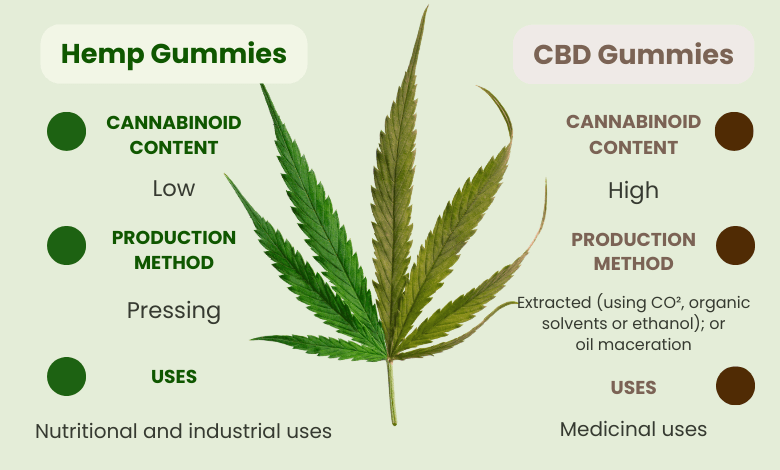
Hemp gummies are made from hemp seed oil, while CBD gummies are made from cannabidiol extracted from other parts of the hemp plant. Because hemp seeds contain little to no CBD, hemp gummies do not provide the same cannabinoid-related effects that CBD Gummies may offer.
Purpose and Benefits
Hemp gummies focus mainly on nutrition. They provide beneficial fatty acids, antioxidants, and plant-based nutrients that contribute to overall health. CBD gummies, on the other hand, are often used for wellness goals such as relaxation, stress support, or promoting balance within the body.
Interaction With the Body
Another major difference lies in how these products interact with the body. Hemp gummies provide nutritional value but do not directly influence the endocannabinoid system. In contrast, CBD gummies contain cannabidiol, which may interact with this system and influence how the body maintains internal balance.
Labeling and Marketing
Because of these differences, product labels may vary widely. Hemp gummies are often marketed as nutritional supplements, while CBD Gummies are typically described as wellness products containing cannabidiol. It is important to read labels carefully to ensure you are purchasing the product that meets your expectations.
How to Choose the Right Option
Choosing between hemp gummies and CBD gummies depends largely on personal preferences and wellness goals. If someone is primarily interested in nutritional benefits from hemp seeds, hemp gummies may be a suitable choice. They provide healthy fats and nutrients that support general health.
On the other hand, individuals looking for the potential calming or balancing properties of cannabidiol may prefer CBD Gummies. These products contain active cannabinoids that interact with the body in ways hemp seed oil products cannot.
It is also helpful to review product quality. Reputable brands often provide third-party lab testing to confirm the contents and purity of their products. Checking for transparency in sourcing and manufacturing can help ensure a reliable product.
Safety and Considerations
As with any supplement, it is important to use hemp or CBD products responsibly. People should follow the serving recommendations provided by manufacturers and consider speaking with a healthcare professional if they have underlying health conditions or take medications.
Another factor to consider is regional regulations. Laws surrounding CBD products can vary depending on the country or state, so consumers should make sure the product complies with local guidelines before purchasing.
Quality ingredients and responsible manufacturing practices also play a significant role in safety. Selecting well-reviewed brands that provide clear ingredient lists and lab testing results can help minimize potential risks.
Final Thoughts
Hemp gummies and CBD gummies may look alike, but they serve different purposes. Hemp gummies focus on delivering nutrients from hemp seeds, while CBD Gummies contain cannabidiol extracted from other parts of the hemp plant. This key difference determines how each product works and what benefits it may provide.
Understanding these distinctions allows consumers to choose products that match their wellness priorities. Whether someone is seeking nutritional support from hemp seeds or exploring the potential effects of cannabidiol, knowing the difference between hemp gummies and CBD gummies can help guide smarter choices.