
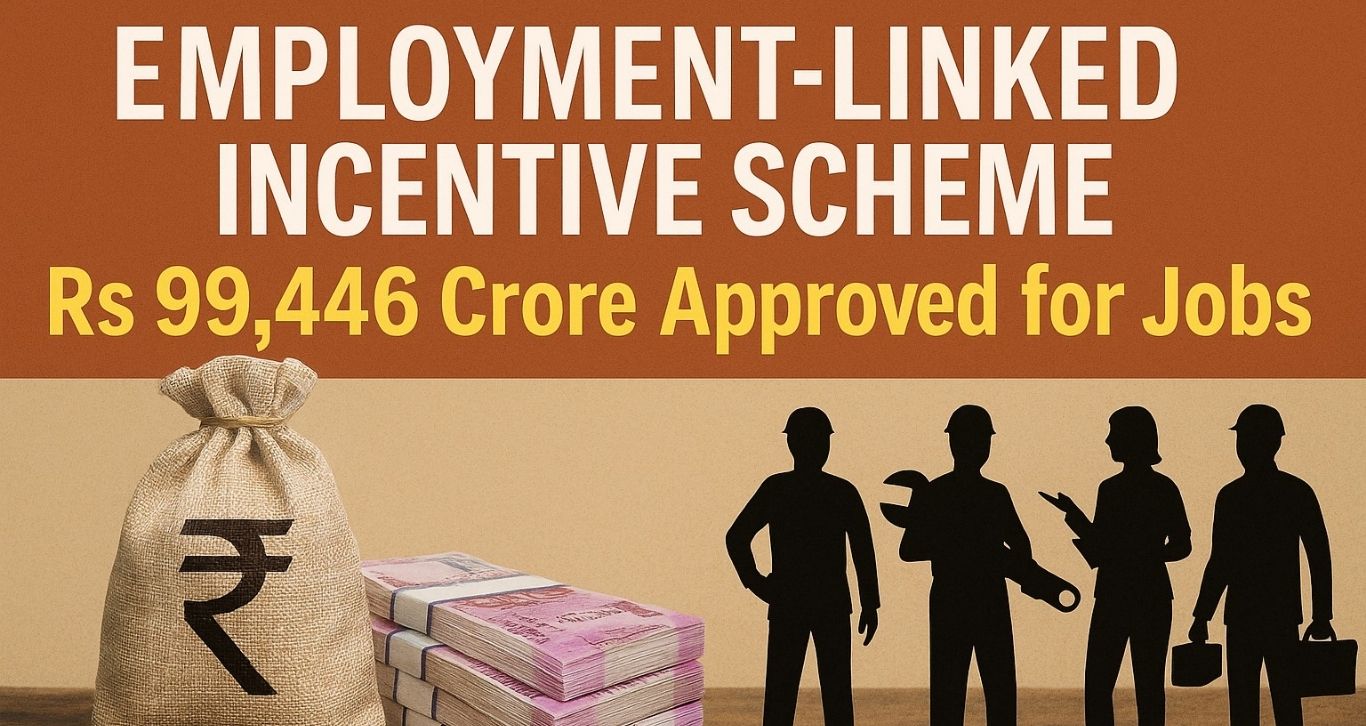
Governments worldwide are introducing schemes to create employment opportunities and stimulate economic growth. One such initiative in India is the Employment Linked Incentive (ELI) Scheme, designed to encourage companies to hire more employees, particularly in sectors that contribute significantly to the economy. By offering financial support based on the number of jobs created, the scheme aims to reduce unemployment, enhance skill development, and strengthen India’s industrial base.
Understanding the Employment Linked Incentive Scheme
The Employment Linked Incentive Scheme is a government-backed initiative that provides monetary incentives or tax benefits to businesses based on the number of employees they hire. It primarily targets sectors such as manufacturing, electronics, renewable energy, and skill-intensive industries, which have significant potential for job creation. By linking incentives directly to employment generation, the scheme encourages companies to expand their workforce, ultimately benefiting both the business sector and the broader economy.
Objectives of the Scheme
The main objective of the Employment Linked Incentive Scheme is to stimulate employment growth in India. By providing incentives to companies that hire more employees, the government hopes to reduce unemployment while simultaneously fostering industrial growth. The scheme also emphasizes skill development, ensuring that workers gain the training needed to thrive in high-demand sectors. Additionally, by supporting small and medium enterprises (SMEs) and startups, the ELI Scheme helps overcome financial constraints that may prevent businesses from expanding their workforce. Overall, the initiative aims to attract investment, promote sustainable industrial development, and create long-term economic stability.
Key Features of the Employment Linked Incentive Scheme
The Employment Linked Incentive Scheme offers several attractive features for businesses looking to grow their workforce. It provides financial support directly linked to the number of jobs created, reducing the financial burden of hiring new employees. The scheme primarily focuses on high-growth and high-employment sectors such as electronics, textiles, automobiles, and IT-enabled services. Both new companies and existing businesses that expand their workforce are eligible to participate, making the program versatile. Additionally, incentives are typically provided over a fixed period, such as three to five years, to encourage long-term employment. The government also ensures ease of access by offering online portals and streamlined application processes.
Eligibility Criteria
Eligibility for the Employment Linked Incentive Scheme is designed to ensure that incentives reach companies genuinely contributing to employment growth. To qualify, a business must be legally registered in India and possess a valid GST number. The company must operate in sectors identified by the government as having high employment potential or significant industrial growth. Businesses must also meet minimum job creation thresholds, which vary depending on the sector and specific scheme guidelines. Compliance with labor laws, timely payment of salaries, and proper employment records are mandatory. Applications submitted outside the designated timeframe are typically not considered, emphasizing the importance of following the scheme’s procedural requirements.
Benefits of the Scheme
The Employment Linked Incentive Scheme offers significant benefits for both businesses and employees. For companies, financial incentives help reduce hiring costs, while tax benefits and reimbursements improve overall profitability. Businesses also benefit from enhanced productivity by hiring skilled employees and gain credibility by participating in a government-backed initiative. For employees, the scheme generates new job opportunities, particularly for skilled and semi-skilled workers. Companies participating in the scheme often provide additional training and upskilling programs, improving workforce quality. Moreover, stable employment under recognized businesses ensures financial security and access to social benefits.
How to Apply
The application process for the Employment Linked Incentive Scheme is structured to ensure transparency and ease of access. Businesses must first verify their eligibility, ensuring they meet sector-specific, registration, and job creation criteria. Eligible companies are required to register on the designated government portal and submit necessary documents, including company registration certificates, employee records, tax filings, and salary details. Once the application is submitted, the relevant authorities review it to verify job creation and compliance. Upon approval, the company receives the incentive as per the scheme guidelines. Companies may also need to submit periodic reports to maintain eligibility and continue receiving benefits.
Impact of the Scheme
The Employment Linked Incentive Scheme has shown positive results across various sectors in India. Many industries have reported a significant increase in employment due to the scheme, while sectors such as electronics and manufacturing have attracted greater investment. The initiative also indirectly supports skill development, as employees gain industry-relevant training that enhances their employability. Small and medium enterprises, in particular, have leveraged the scheme to expand their workforce without incurring excessive costs. Overall, the program has contributed to a more robust and skilled workforce while supporting India’s industrial growth objectives.
Challenges
Despite its benefits, the Employment Linked Incentive Scheme is not without challenges. Some businesses find the documentation and compliance requirements complex and time-consuming. Additionally, the scheme currently applies only to specific sectors, leaving some growing industries ineligible. Monitoring and accountability are critical to ensure that companies genuinely create sustainable jobs, which can be administratively challenging. Finally, awareness of the scheme remains limited, especially among smaller businesses that could benefit the most. Addressing these challenges will be key to maximizing the scheme’s impact in the coming years.
Frequently Asked Questions
Who can apply for the Employment Linked Incentive Scheme?
Any registered company operating in eligible sectors, including MSMEs, startups, and large enterprises, can apply if they meet the job creation criteria.
Are incentives provided for permanent or contractual employees?
Generally, the scheme is linked to permanent employment, though some sectors may allow long-term contractual employees to qualify.
How long does it take to receive the incentive?
Processing times vary depending on the state and sector, typically ranging from 60 to 120 days after approval.
Can existing employees be counted for incentives?
Incentives are usually based on new job creation and do not include employees hired before the scheme’s implementation.
Is there a limit on the number of employees for which incentives are provided?
Yes, each scheme specifies maximum incentive amounts and thresholds depending on the sector and employment targets.
Conclusion
The Employment Linked Incentive Scheme is a strategic initiative designed to strengthen India’s workforce and support economic growth. By linking financial incentives directly to job creation, it encourages businesses to expand their workforce while promoting skill development and industrial growth. Despite challenges such as sector limitations and compliance requirements, the scheme offers significant benefits to companies and employees alike. For businesses, it reduces hiring costs and enhances credibility, while employees gain stable employment and upskilling opportunities. Overall, the ELI Scheme plays a vital role in India’s employment strategy, creating a win-win scenario for companies, workers, and the economy.