
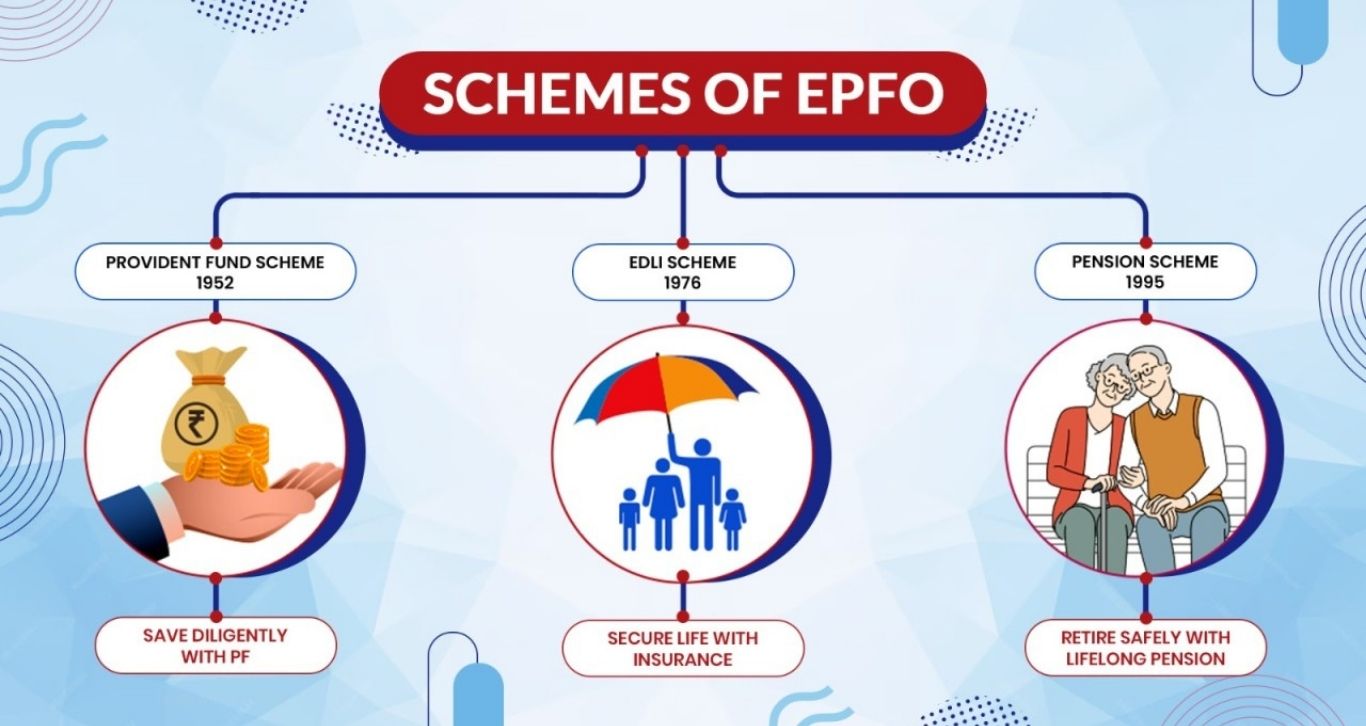
The Employees’ Provident Fund Organisation (EPFO) Pension Scheme, officially known as the Employees’ Pension Scheme (EPS), is a key retirement benefit for salaried individuals in India. It is designed to provide a steady post-retirement income to employees in the organized sector. Unlike the Employees’ Provident Fund (EPF), which focuses on lump-sum savings, the EPS ensures a monthly pension, offering long-term financial security for employees and their families. Administered by the EPFO under the Ministry of Labour and Employment, the scheme is a vital component of India’s social security system.
What is the EPFO Pension Scheme?
The EPS was introduced in 1995 to provide financial protection after retirement. It is funded by employer contributions and managed by the EPFO, making it a government-backed retirement plan. Employees whose salaries fall under ₹15,000 per month and who contribute to the EPF are automatically eligible for EPS. The scheme is particularly valuable because it guarantees a regular pension, ensuring retirees have a steady income without having to rely solely on personal savings.
Key Features of the EPFO Pension Scheme
One of the main advantages of the EPS is its well-defined structure. Employees are eligible to receive a pension if they meet the minimum service requirements. The employer contributes 8.33% of the employee’s monthly salary (up to ₹15,000) to the scheme, while employees do not directly contribute to EPS. Pension payments start at the age of 58, though employees who retire early between 50 and 58 can opt for deferred pension payments starting at 58. The scheme also provides family pension benefits to dependents in case of the employee’s death. Furthermore, EPS contributions can be transferred to a new employer when changing jobs, and all contributions enjoy tax benefits, making it an attractive and secure retirement plan.
How the EPFO Pension Scheme Works
EPS is a defined benefit scheme, which means the pension is calculated based on a fixed formula rather than accumulated contributions. The employer’s contribution is part of the total EPF contribution, and the EPFO manages these funds to ensure a reliable pension payout.
The pension formula is:Pension=70Pensionable Salary×Pensionable Service
Here, the pensionable salary is the average of the last 60 months’ salary, and the pensionable service is the total years of employment (capped at 35 years). For example, an employee with an average salary of ₹15,000 and 30 years of service would receive a monthly pension of approximately ₹6,428.
Employees can start receiving pension at 58 years of age, or choose deferred pension if retiring early. If an employee resigns before completing 10 years of service, they are eligible to withdraw the EPS amount as a lump sum. This structure ensures both short-term flexibility and long-term retirement security.
Benefits of the EPFO Pension Scheme
The EPFO Pension Scheme provides several key benefits. First and foremost, it offers financial security after retirement, guaranteeing a monthly income that supports a stable lifestyle. Secondly, the family pension ensures that dependents are financially protected in case of the employee’s death. The scheme also allows portability, enabling employees to transfer EPS contributions when switching jobs, which prevents disruption in pension benefits. Over time, the pension amount is adjusted for inflation, often through dearness allowance, maintaining its real value. Finally, EPS is government-managed, offering security and reliability that private pension plans cannot always guarantee.
Eligibility Criteria for the EPFO Pension Scheme
To benefit from EPS, employees must meet specific criteria. They should have a minimum of 10 years of service in an organization contributing to the EPF. The monthly salary must not exceed ₹15,000, and the employer must contribute the required 8.33% of the salary toward EPS. The minimum age to receive the pension is 58 years, though early exit is possible under certain conditions. Meeting these eligibility requirements ensures employees can avail themselves of both regular and family pension benefits.
How to Apply for EPFO Pension
Applying for EPS is straightforward. First, employees must verify their membership on the EPF portal or through their EPF passbook. The next step is to submit Form 10D, either online or via the employer, to claim pension benefits. Required documents include the UAN (Universal Account Number), identity proof such as Aadhaar or PAN, and bank account details for direct credit of pension. Once the EPFO verifies the application, monthly pension payments commence, providing consistent post-retirement income.
Frequently Asked Questions
What is the minimum service required for EPFO pension?
A minimum of 10 years of continuous service is needed to qualify for monthly pension payments.
Can an employee receive pension before 58 years?
Yes, employees can opt for early retirement after 50 years, but the pension is deferred until 58 years.
How is family pension calculated?
Family pension is 50% of the last drawn pension and is provided to the spouse after the employee’s death.
Is EPS taxable?
EPS contributions are tax-free, and the pension received is partially exempt from tax.
Can EPS funds be transferred to a new employer?
Yes, contributions can be transferred seamlessly, ensuring uninterrupted pension benefits.
Conclusion
The EPFO Pension Scheme is a reliable, government-backed retirement plan that ensures financial security for employees and their families. With benefits like a monthly pension, family coverage, and tax advantages, EPS provides long-term stability and peace of mind. By understanding eligibility, contributions, and pension calculations, employees can plan effectively for a comfortable retirement. For anyone seeking a secure post-retirement income, the EPFO Pension Scheme is not just a statutory requirement but a crucial part of comprehensive retirement planning.